Introduction
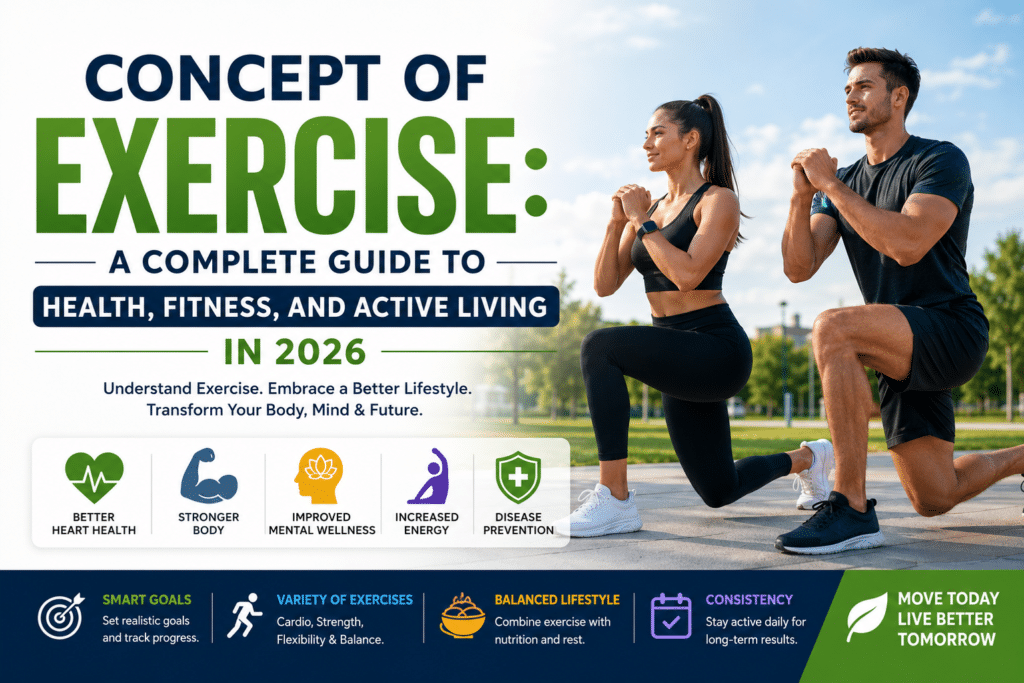
Discover the concept of exercise, its health benefits, types, principles, and how regular physical activity improves fitness, mental wellness, and overall lifestyle.
Due to the advent of modern lifestyles, people are more sedentary as never before. Across the world, you see people working long hours, doing different sorts of screen time and developing unhealthy habits which affect their physical and mental health. Herein lies the importance of exercise. Exercise is more than just about losing weight or gaining muscles. It is a holistic lifestyle that optimizes your body, mental resources as well as quality of life.
Regardless of whether you are at the beginning of your fitness journey or seeking to enhance performance, familiarity with exercise can help you make more intelligent choices that advance health. Regular physical activity builds the heart, gives energy, helps concentration, and it protects from many chronic illnesses.
The even better news is that exercise does not need expensive gear or complicated routines. Small daily changes can lead to life-altering results. This guide will teach you the real meaning of exercise, what are its types, benefits and principles and how can you build a sustainable fitness routine that lasts for good!
What Is the Concept of Exercise?
Exercise is any bodily activity that enhances or maintains physical fitness and overall health and wellness. This includes doing movements that are difficult on the body and that cost more energy to doThan non-challenging tasks.
Exercise is showing up for general physical activity. Physical activity is defined as all body movements that cause energy expenditure during activities of daily living whereas exercise is a planned, structured and purposeful physical activity. There are many reasons why people exercise, such as:
• Weight management
• Better cardiovascular health
• Muscle strength
• Stress reduction
• Improved flexibility
• Disease prevention
The human body is made to be moving overtime. Without movement, you increase your risk of developing obesity, heart disease, diabetes and some mental health issues. Exercise keeps the body function and essential systems working.
Fact11: Today, fitness experts view exercise as one of the three main pillars of a healthy lifestyle along with adequate nutrition and sleep.
Importance of Exercise in Daily Life
Physical Health Benefits
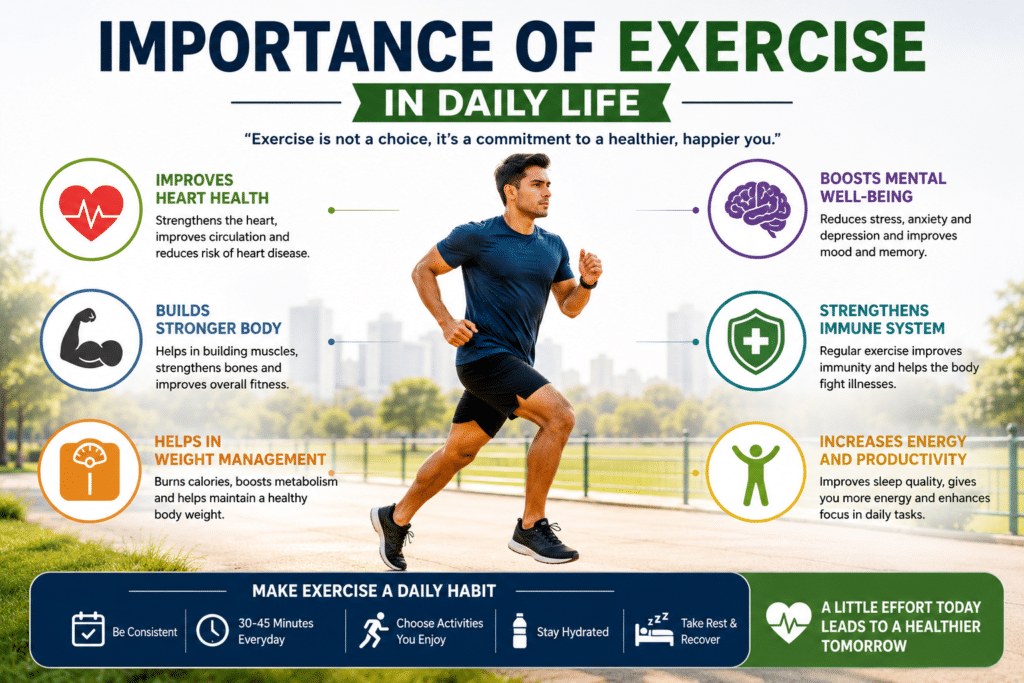
Exercise benefits almost every system in the human body. They build muscle, bone, and joint strength and improve blood circulation, and oxygen delivery.
Regular workouts can help:
• Lower blood pressure
• Improve heart function
• Control blood sugar
• Reduce body fat
• Increase stamina
• Strengthen immunity
That being active also helps people to rise their chance of avoiding chronic disorders including overweight, high blood pressure and kind 2 diabetes.
Mental and Emotional Benefits
The fact is, exercise is also on the list of mental health boosters. Exercise Produces Endorphins, Also Known As ‘Feel-Good Hormones’ These chemicals lower stress and help with mood.
Regular exercise may help reduce:
• Anxiety
• Depression
• Mental fatigue
• Stress levels
It helps with mental focus, memory and sleep. Exercise is being proposed as part of mental wellness programs by many doctors now.
Types of Exercise
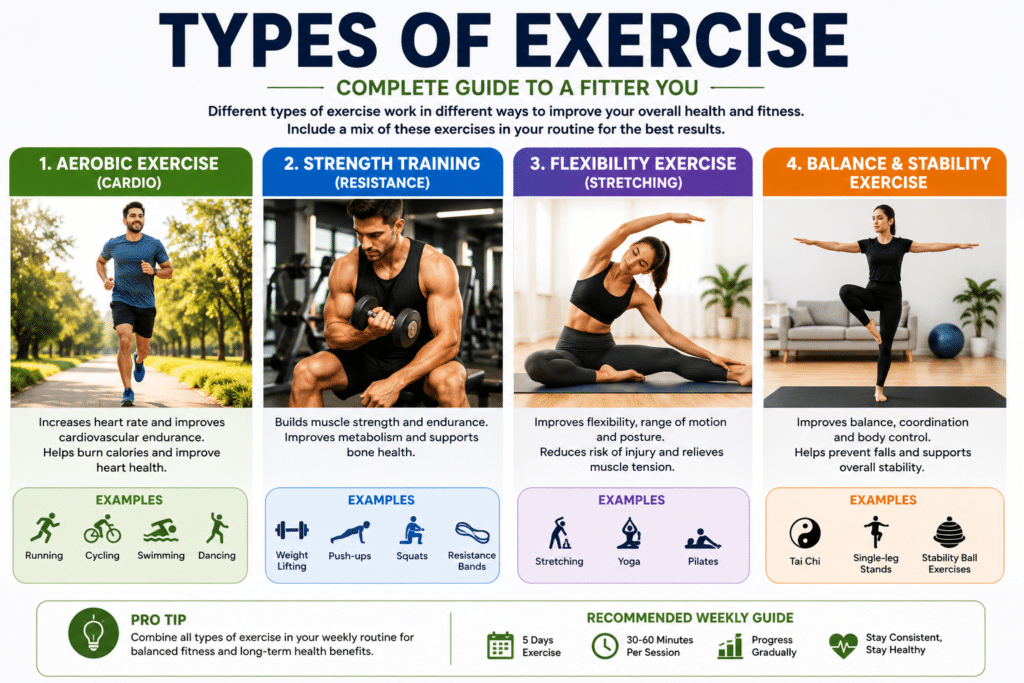
Learn about different types of exercise in order to create a well rounded fitness program.
Aerobic Exercise
Endurance training, or cardio exercise that raises the heart rate and quickens breathing. Which enhances cardiac endurance and expels calories.
Common examples include:
• Walking
• Running
• Cycling
• Swimming
• Dancing
Aerobic (workouts on the heart) Great for weight loss.
Strength Training
Strength training is where functional muscle strength and muscle endurance are built. It is based on resistance — weights or weight bands, or body weight.
Popular strength exercises include:
• Push-ups
• Squats
• Deadlifts
• Bench presses
• Lunges
This kind of exercise is key to metabolism and promotes healthy aging.
Flexibility Exercises
Enhanced flexibility training increases the joint range of motion and decreases stiffness. It also reduces the risk of physical injuries.
Examples include:
• Stretching
• Yoga
• Pilates
Flexibility Exercise for Posture and Muscle Recovery
Balance and Stability Exercises
Exercises that focus on balancing assist with body coordination and control. They are even more of a benefit to the elder population.
Examples include:
• Standing on one leg
• Tai chi
• Stability ball workouts
These reduce fall risk and improve efficiencies of movement.
Basic Principles of Exercise
The principles behind exercise are based on many scientific principles, which help guide to safe and effective training.
Overload Principle
The body strengthens with a higher challenge over time. This is called overload. The first part helps you gain strength, the second one progress your endurance.
As an example, lifting progressively heavier weights week to week forces muscles to adapt and grow stronger.
Consistency Principle
One of the key principles in fitness is consistency. Regular exercise yields immediate and long-term health benefits.
Simply doing a workout routine over and over is better than going to the gym once every two weeks.
Progression Principle
Exercise intensity should increase gradually. But sudden increases increase risk of injury and burnout.
You can progress by increasing:
• Workout duration
• Weight resistance
• Training frequency
• Exercise complexity
Recovery Principle
The body requires time to recover from strenuous exercise. Muscles repair and strengthen after a great deal of rest.
Failing to recover well can result in fatigue, poor performance and injuries.
How Exercise Affects the Body
There are many good physiological changes throughout the body associated with exercise.
Cardiovascular System
Physical activity builds the heart and blood circulation. This makes the heart more efficient at pumping oxygen-rich blood.
It can help reduce your resting heart rate and also helps to build endurance when performing regular cardiovascular exercise;
Muscular System
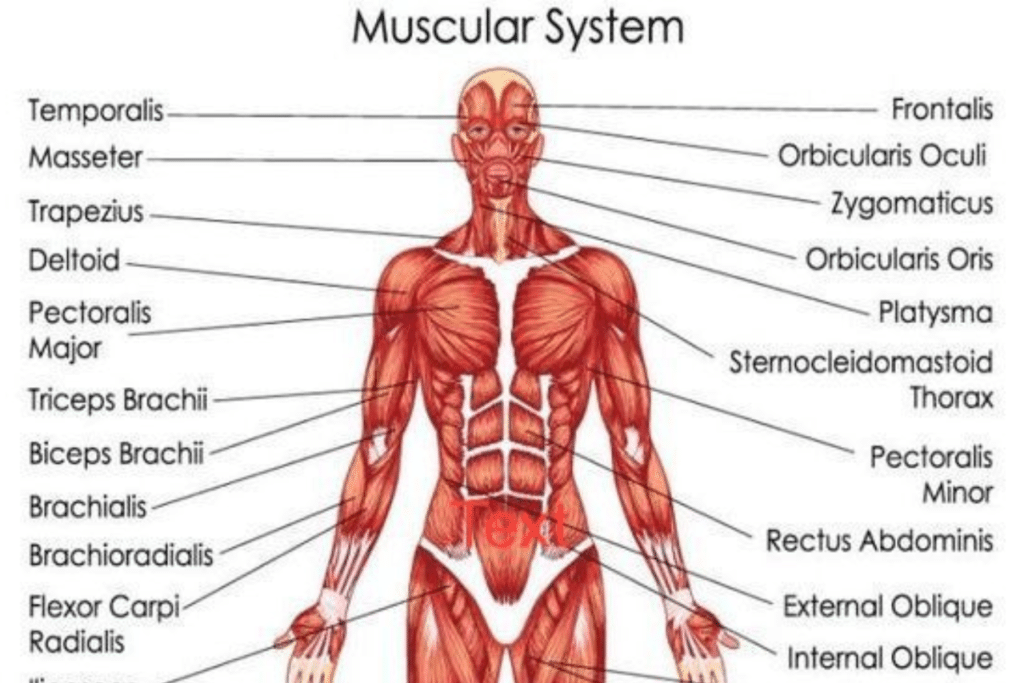
Resistance training enlarges muscles and increases strength. Muscles are very necessary for good posture, mobility and exercise performance.
Physical activity also contributes to the maintenance of lean mass adeptly as we age.
Respiratory System
Exercise improves lung efficiency. Oxygen gets transported with better delivery to the lungs during exercise.
This results in improved endurance and less fatigability during those daily activities!
Metabolic Function
Exercise increases metabolism and helps the body expend calories more effectively. It also enhances insulin sensitivity and assists with weight management.
Exercise and Weight Management
Exercise is commonly associated with weight loss and many like it. Although nutrition is also a key component of maintaining body weight, exercise is the single most important factor to successful weight maintenance.
This is because cardio exercises are beneficial for caloric expenditure and strength training promotes muscle mass, which raises resting metabolic rate.
For effective weight management:
• Combine cardio and strength training
• Stay physically active daily
• Follow balanced nutrition
• Maintain consistency
Sustainable lifestyle changes can be more effective than crash fitness programs.
Common Mistakes People Make While Exercising
Mistakes that lead to less progress or higher risks of injuries are common among beginners.
Skipping Warm-Ups
Warm-ups are just as the name suggests. Omitting them could set you up for an injury.
An ideal warm-up consists of a lite cardio base followed by a dynamic stretch.
Overtraining
Excessive exercise without adequate rest can damage the body. Overtraining shows up as tiredness, bad rest and ache within the muscle.
Recovery from exercise, indeed, requires rest.
Poor Technique
Poor workout form can put undue stress on muscles and joints. Training to use correct methods of exercise provides safety and maximized effectiveness.
Unrealistic Goals
Many people expect quick results. The path to fitness is something you have to take step by step.
Concentrate on health over quick change.
Tips to Build a Sustainable Exercise Routine
A realistic training programme can significantly assist with sustaining fitness levels over the longer term.
Start Small
Start with Short and Smaller Workout Sessions It would even suffice to dedicate 20–30 minutes daily.
Choose Activities You Enjoy
Motivating and Fun Workouts = More Consistent. Select activities that align with your interests.
Set Clear Goals
Specific goals help track progress. Examples include:
• Walking 10,000 steps daily
• Losing 5 kg
• Building strength
• Improving flexibility
Stay Consistent
Consistency matters more than perfection. Missing one workout is normal. The most important thing is getting back into a routine.
Conclusion: Concept of Exercise
Exercise transcends physical appeal. Exercise is the basis of a healthy, forceful and dynamic life. It enhances fitness, mental health,and heart health as well as flexibility & longevity.
The knowledge of workout types and principles enables you to establish better and safer habits in fitness. Regular exercise can transform your health in so many ways, whether you want to lose weight, gain muscle and strength, reduce stress or prevent disease.
No one is perfect along this journey. Over the long term, tiny daily steps lead to massive results. Keep it easy from the first day, keep up retention to make exercise part of your everlasting lifestyle and have better capabilities regarding health in future.
Frequently Asked Questions (FAQs) Concept of Exercise
1.What is the basic concept of exercise?
Exercise is a structured form of physical activity aimed at enhancing health, fitness, strength, endurance and general well-being.
2. Why is exercise important for health?
From better heart health to maintaining a healthy weight, positive mental well-being, muscle strength, and lowering the risk of disease and improving overall fitness level, exercise does it all!
3. What are the main types of exercise?
These include aerobic and strength building exercises, stretching / flexibility exercises, balance exercise.
4. How much exercise should a person do daily?
A 30-minute session of moderate physical activity at least five days a week is the recommendation of most experts for maintaining health.
5. Can beginners start exercising at home?
Yes. It is common for beginners to start out doing short systems you can do in the home using activities like walking, stretching, squats yoga and other methods from fitness without the need of gym.