Introduction
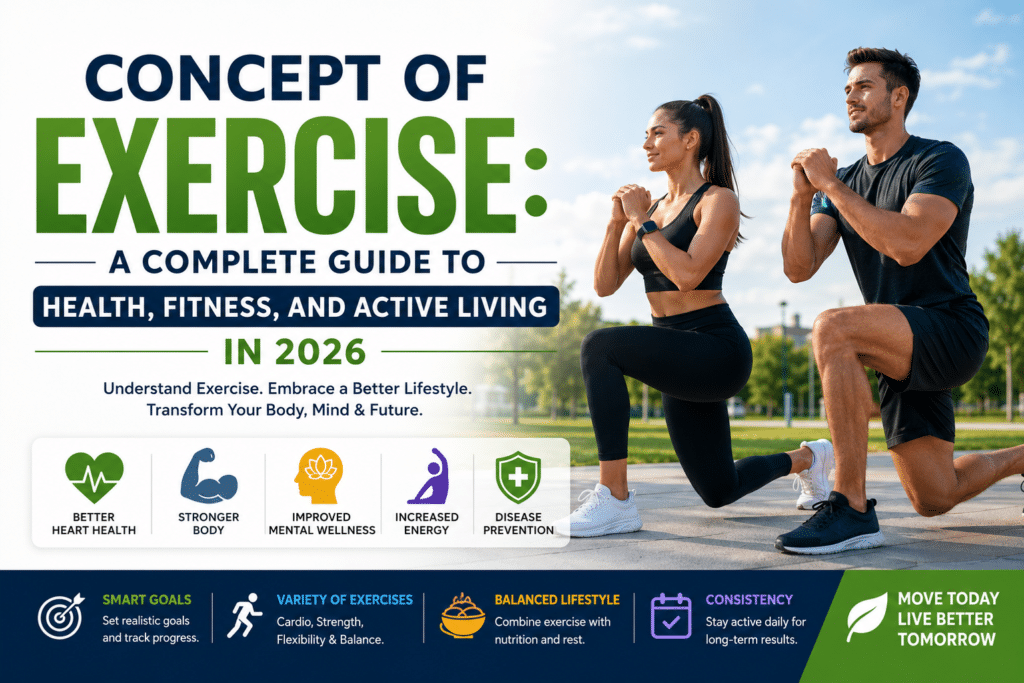
Discover the different types of exercise, including strength training, cardio, flexibility, and balance workouts, to improve fitness, health, and overall well-being in 2026.
Engaging in physical activity is now more than a trend. It’s a pillar of modern life. Knowing which kind of exercise to do, whether that be losing weight or gutting muscle, gaining flexibility or just to feel fit can change your life completely. Often people start exercising neck without a clear idea of which exercises those are then with their goals in mind. So they give up or do not notice any change happening.
Luckily, exercising is not confined to a gym. There are many ways to find fitness, from walking and yoga to strength training and high-intensity workouts. Different types of workouts carry different body and mental advantages for it. Some help with heart health, others aid in muscle strength and balance, some contribute to endurance and flexibility.
It covers the main types of the exercise, their benefits as well as an in-depth guide to help you pick the right routine for your needs. And whether you are a novice or an experienced athlete, it will help you plan your workout smarter and healthier. (Or 2026 onwards….
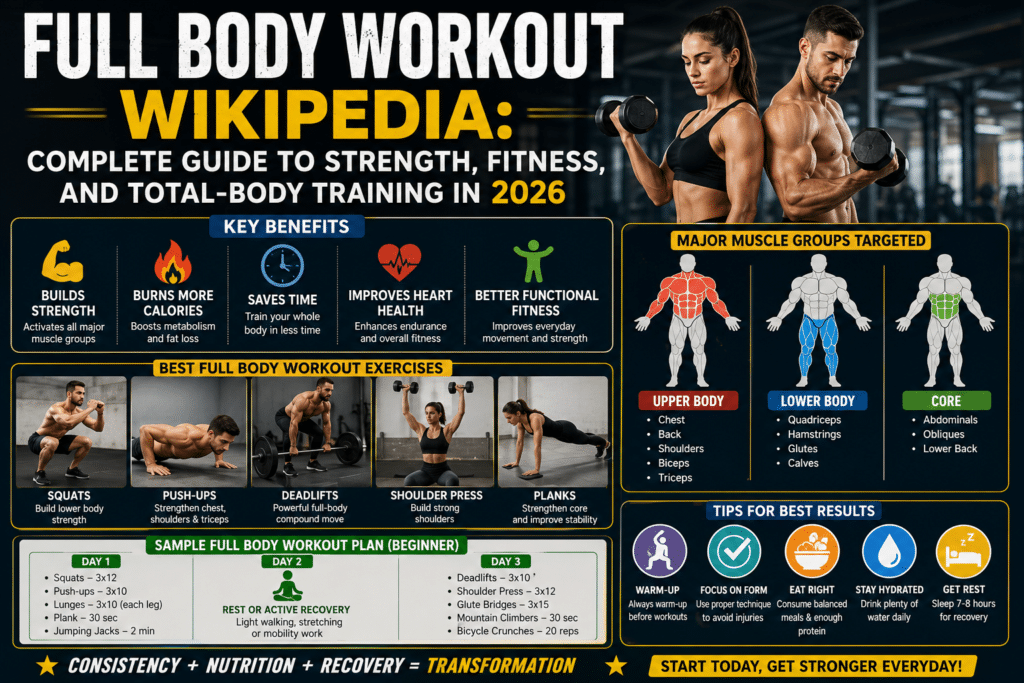
What Are the Types of Exercise?
Exercise is the different kinds of physical activities aimed at improving your overall fitness and health. All of these categories target different areas of the body and help with unique fitness goals.
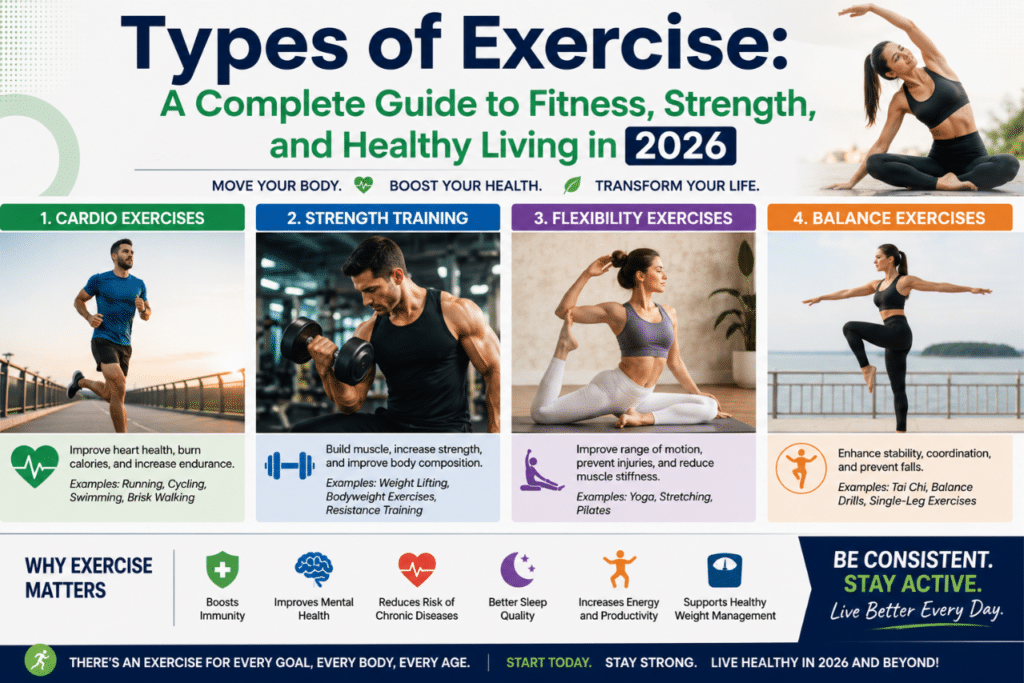
There are four categories of exercise:
• Aerobic Exercise
• Strength Training
• Flexibility Exercise
• Balance Exercise
Fitness Professionals recommend the combo of all four for ideal physical health. A fitness regime containing a weight-bearing portion will enhance cardiovascular health, muscle strength, mobility and posture and even mental well-being.
1.Aerobic Exercise
Aerobic (or cardio) exercise increases your heart rate and helps body use that oxygen more effectively. It is one of the best, if not the best form of exercise for health.
Common aerobic exercises include:
• Walking
• Running
• Cycling
• Swimming
• Jump rope
• Dancing
Benefits of Aerobic Exercise
Otherwise called high-impact activities, vigorous exercises offer unlimited advantages for you both physically and rationally.
Improves Heart Health
Cardio: which helps make the heart more efficient and creates better blood circulation. They lower the chances of heart disease, hypertension and stroke.
Supports Weight Loss
Aerobic activities burn calories efficiently. When used as part of a healthy nutrition plan, they assist with body fat reduction, and improve metabolism.
Increases Endurance
That regular cardio training can be the most effective way to increase your stamina and energy levels. And, you will carry out your daily life with less exhaustion.
Boosts Mental Health
Cardio releases endorphins to combat stress, anxiety, and depression.
2.Strength Training Exercise
Strength training increases muscle power. It is resistance that makes the muscles work extra.
Popular strength training exercises include:
• Weightlifting
• Push-ups
• Squats
• Deadlifts
• Resistance band workouts
• Bodyweight training
Why Strength Training Is Important
No breath control is not essential as strength workout are beneficial for the longevity and healthy aging.
Builds Muscle Mass
Muscle building and improving body composition by stimulating muscle growth.
Strengthens Bones
When you lift weights, your bone density increases and osteoporosis risk decreases.
Improves Metabolism
The Truth: Muscles burn more calories than fat. Lifting weights allows your body to burn fuel while not even moving.
Enhances Physical Performance
Strong muscles can go a long way in improving your posture, balance, and performance as an athlete.
3.Flexibility Exercise
It improves your joint and muscle flexibility flexibility exercises. They whakaaautai rangatiratanga ki te pātea i runga, mai ra o tērā, ka nāna te tinana ki pakū atu.
Common flexibility exercises include:
• Stretching
• Yoga
• Pilates
• Mobility drills
Benefits of Flexibility Training
Flexibility training is one of the most neglected areas of fitness.
Reduces Muscle Tightness
After a long workout, your muscles will be tense and you want to get them relaxed again; stretching is the way.
Prevents Injuries
The more your muscles stretch, the less chance they will get a strain or tear as you exercise.
Improves Posture
Because of all this sitting for many hours, your posture will change and those mobility exercises help to correct this.
Supports Recovery
Stretching will increase blood flowing to the muscles and speed up post-exercise recovery.
4.Balance Exercise
Balance exercises help stability and coordination. There are particularly important for the elder adults but they work on every age.
Examples of balance exercises include:
• Standing on one leg
• Tai Chi
• Stability ball exercises
• Heel-to-toe walking
• Yoga balance poses
Advantages of Balance Training
Balance workouts work the stabilizing muscles and train movement control.
Prevents Falls
Improved balance lowers your chances of slip-and-fall injuries.
Improves Coordination
Balance Exercise will train your body to move more effectively and safely.
Strengthens Core Muscles
Most balance actions activate the Department of the Lower Back and Abdominal Muscles.
Enhances Athletic Performance
Some athletes utilized balance training to develop agility and body control.
High-Intensity Interval Training (HIIT)
HIIT and fitness in 2026There are some very popular fitness trends: Through short, intense periods of exercise mixed in with shorter periods of rest.
An example of a standard HIIT class might comprise:
• Sprinting
• Burpees
• Jump squats
• Mountain climbers
• Push-ups
Benefits of HIIT Workouts
Burns Calories Quickly
HIIT workouts promote fat loss as they maximize calorie expenditure in a short time-span.
Saves Time
HIIT sessions are generally 15–30 minutes long and great for those low on time.
Improves Cardiovascular Fitness
By continuously pushing the heart and lungs with high intensity intervals, all within a set period of time, endurance will improve.
Boosts Metabolism
HIIT can elevate metabolic rate for hours after exercise.
Functional Exercise
Functional exercises mimic real-life movements. They help with strength in everyday tasks by improving balance and coordination.
Examples include:
• Lunges
• Kettlebell swings
• Farmer’s carries
• Step-ups
• Medicine ball exercises
Why Functional Fitness Matters
Functional training improves the ability to perform moves found in daily life.
Supports Daily Activities
It helps easier your lift, bend, sit as well to climb stairs.
Improves Joint Stability
Workout train formation functional muscles joint and around core injury resistance.
Enhances Athletic Ability
Such exercises enhance coordination, mobility, and body control.
How to Choose the Right Type of Exercise
Choosing the right workout depends on your personal goals and fitness level.
For Weight Loss
Focus on:
- Cardio workouts
- HIIT training
- Full-body strength exercises
For Muscle Building
Prioritize:
- Strength training
- Resistance workouts
- Progressive overload exercises
For Flexibility and Stress Relief
Choose:
- Yoga
- Stretching routines
- Pilates
For Healthy Aging
Include:
- Balance exercises
- Walking
- Light strength training
Tips for Starting an Exercise Routine
The beginning of any fitness journey might seem like an insurmountable task, however, starting with simple steps makes it much more feasible.
• Begin with realistic goals
• Aim to be active 3–5 days a week
• Warm up before workouts
• Stay hydrated
• Get enough sleep
• Maintain proper form
• Track your progress
Consistency matters more than perfection. Daily Gains Compound over a Lifetime
Conclusion: Types of Exercise
The knowledge of all the types of exercises is basically our foundation to live a healthier and more active lifestyle. Cardio strengthens the heart, weight lifting develops muscle, stretching enhances flexibility and balance improves stability. Incorporating these exercise types into your routine creates a balanced workout regimen for both physical and mental health.
In 2026, fitness has become more than just aesthetic. It’s about vitality, about self-belief, about endurance, about living. Regardless of you are young or old, novice or advance the right exercise regimen will make you look strong, healthy and fresh daily.
Focus on small wins, keep going and do exercises according to your interest and objectives. Your future body and your future mind will be grateful.
(FAQs)About Types of Exercise
1.What are the 4 main types of exercise?
Aerobic exercise, strength training, flexibility exercise and balance exercise are the four types of exercises.
2. What kind of exercise is the best for weight loss?
Average intensity cardio and HIIT training (High Intensity Interval Training) is depressing, effective for burning calories and useful in weight loss
3. How many times per week should I work out?
The majority of expert recommendations say that exercise should be done 150 minutes weekly for moderate exercise or at least 75 minutes intense activity.
4. Is strength training appropriate for beginners?
This means beginners who havenot already been strength training with low weights/bodyweight withoutgood form are safe to get started.
5. Why is flexibility exercise important?
Flexibility exercises can help increase mobility, easing muscle tightness and reducing the risk of injury, while also aiding recovery.