Introduction
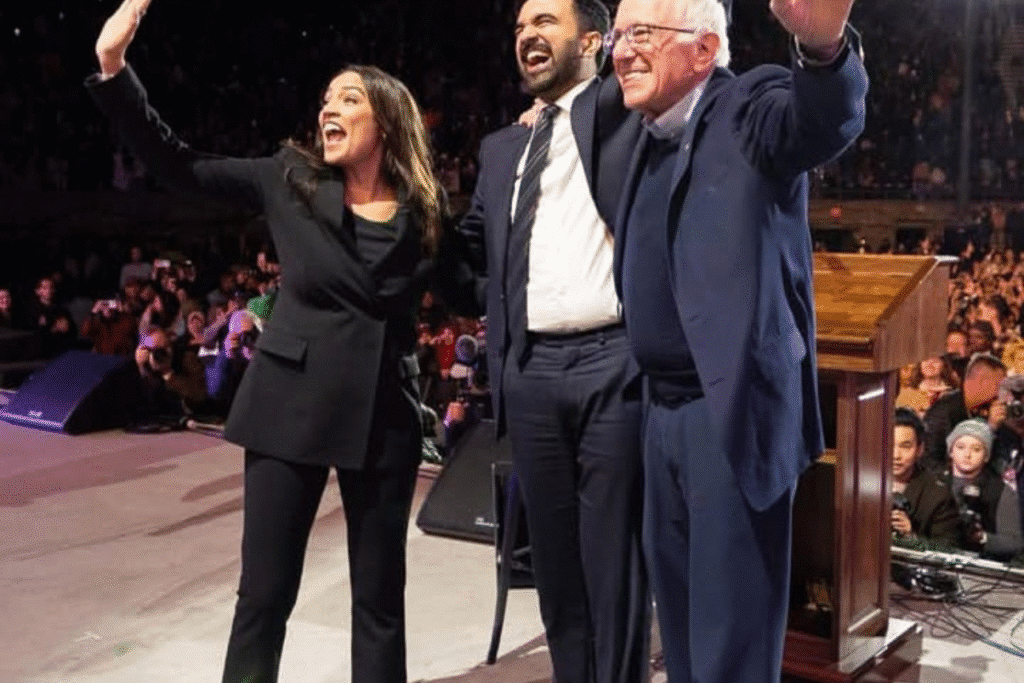
When you type in Zohran Mamdani, you will come across an up-and-coming political figure whose rise has drawn the attention of the whole nation. The state assembly member of the Ugandan born, Queens based has plunged into the limelight at a fast rate particularly following his ground breaking challenge at the mayor of NYC. This article considers his history, career, principles, key achievements and his future, all in an SEO friendly, inclusive format to his readers who might be interested in the contemporary U.S. progressive politics.
Early Life and Background
Birth and Family (Uganda → United States)
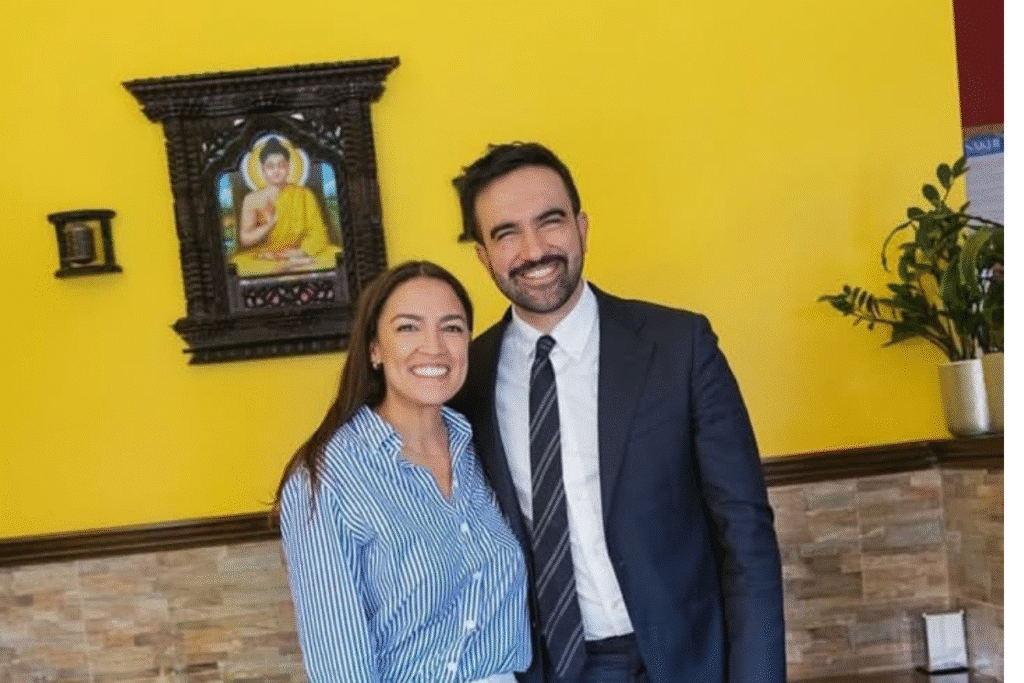
Zohran Kwame Mamdani was born on the 18th of October 1991, Kampala, Uganda. Wikipedia+1 His father Mahmood Mamdani is a renowned academic and his mother Mira Nair is a film director. Wikipedia+1 Zohran with his family relocated to New York in 1988, 7, and they resided in the Queens borough. Wikipedia+1
Early Interests and Education.
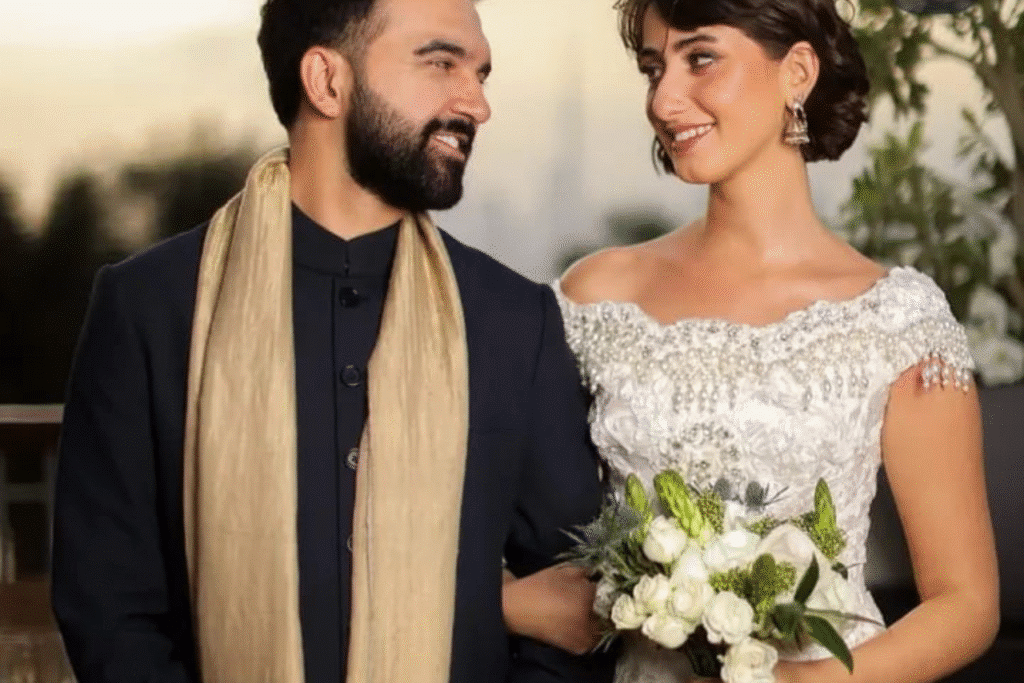
Zohran Mamdani has been raised in New York, where he attended the local schools and found himself on Africana studies and social injustice concerns, which led to a Bachelor of Arts degree at Bowdoin College. Wikipedia+1 A mixture of cultures, arts (through his mother filming) and the power of academic discussions (through his father) dominated his early years. This was the basis of his worldview one based on migration, identity, inequality and politics.
Cultural Influence
The lived experience of Zohran Mamdani cuts across several geographies and traditions: born in Africa, raised in one of the most diverse cities in the world, and being a part of an Indian diasporic family. These overlapping identities make him develop his vision of inclusive politics and emphasize his call to immigrant and minority groups. They also form the basis of his argument on equity, representation and how a diverse society should be represented in the public service.
Journey to the United States (and Adjusting)
Immigration Story
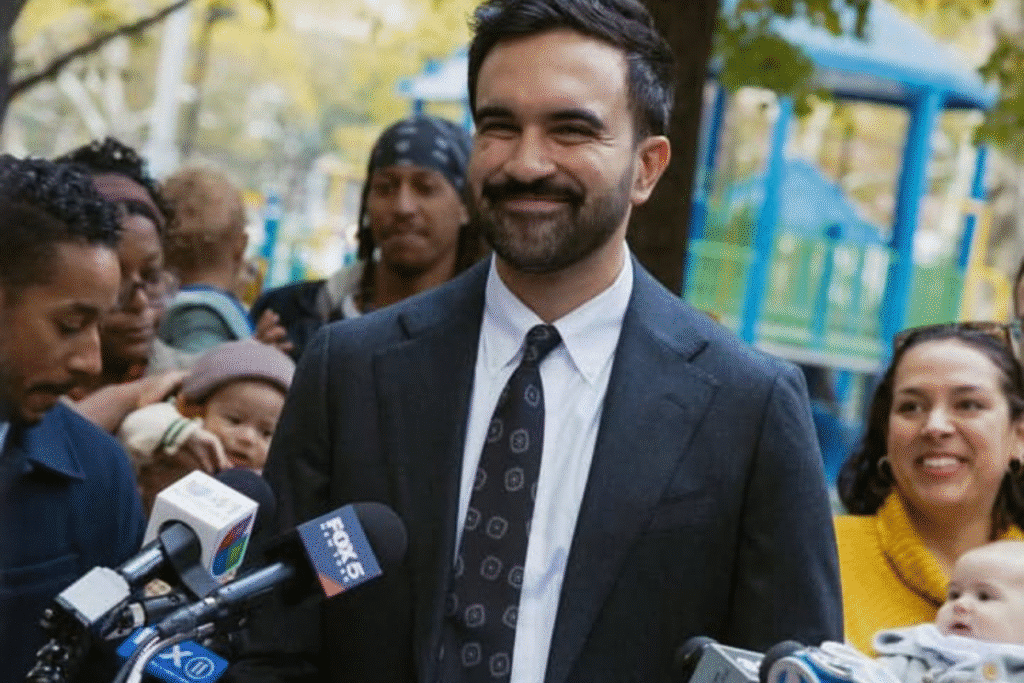
Despite the fact thatZohran Mamdani immigrated to the U.S. when he was a child, his narrative follows the immigrant experience pattern: adjusting to new systems, balancing family customs with American life, and discovering structural injustices through the lenses of lived experience. The migration of his family out of Uganda to New York put him in the midst of world migration, diasporic identity, and the life of the metropolitan American.
Adjusting to New Life in America.
Acculturating to America life is not a mere background toZohran Mamdaniit is one of the main themes of his story. His education in New York and involvement in the community life in Queens and the exposure to the possibilities and struggles of neighboring people made him internalize the challenges of a large portion of the working classes and immigrant families. These are his political missions of addressing affordability, housing, transportation, and civic inclusion.
Political Involvement and Values
Advocacy for Social Justice and Equality
Social justice lies at the core of politics of Zohran Mamdani. He also calls himself a “democratic socialist,” who believes in policies to lessen inequality, affordability of cities, and empowerment of underrepresented communities. Wikipedia+2The Guardian+2 His campaign promises are rent freezes, affordable houses, free fares on the buses, grocery stores owned by the city, and a target of 30-hour minimum wage by the year 2030. Wikipedia+2Zohran for NYC+2
Democratic Party (and the DSA) affiliation.
Zohran Mamdani is a Democratic Party member, as well as the Democratic Socialists of America (DSA). Wikipedia His political identity is a combination of mainstream American liberalism and left progressive organizing that straddles between the party establishment and the grassroots movements.
Focus on Youth Empowerment
One of the most striking aspects ofZohran Mamdani campaign is the fact that he has resonated with younger voters and the under represented communities. His digital and social media outreach, grassroots mobilization, and identity based coalition building is a contemporary type of politics – one aiming to make youth participants, and not only future voters. The Guardian+1
Career and Political Milestones
Community Engagement and Local Work
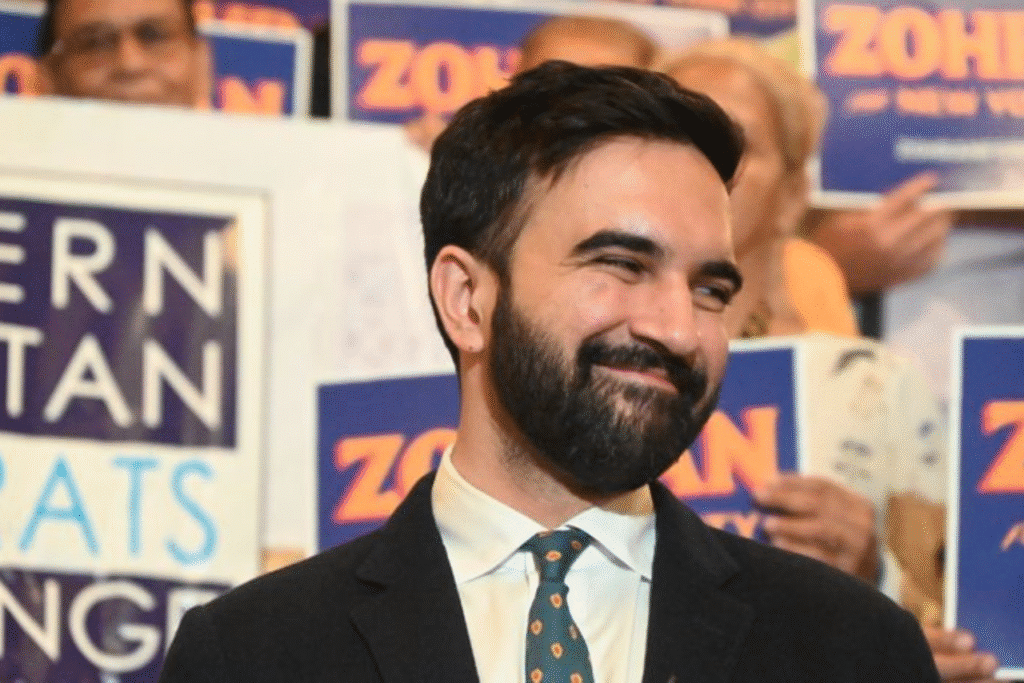
Zohran Mamdani began his political career as an organizer and a campaign staffer to progressive campaigns and causes before his bid to get in higher office. This involves the grassroots campaigns and the issue specific activism. Wikipedia+1 His initial work established his contacts in Queens and among the urban progressives who were active in the activities, readied him to electoral politics.
Running for Office
In 2020, Zohran Mamdani became a Democratic candidate (and primary challenger) in the New York State Assembly District 36 (Astoria, Long Island City) and defeated a five term Democratic incumbent. Wikipedia Later he was re elected at the general election and re elected in 2022 and 2024 without a significant challenge. Wikipedia
Then in June 2025,Zohran Mamdani, defeated a melodramatic majorities primary to New York City mayor against former Governor Andrew Cuomo, a Democrat. The Guardian+1 This win placed him as the next probable mayor of the largest city in America and heralded an overall change in city progressive politics.
Policy Advocacy and Reforms
Mamdani has proposed a number of radical policy suggestions:
• Stabilize rent on rent stabilization units and construct 200,000 affordable housing units. Wikipedia+1
• Complimentary bus services and city owned groceries to deal with affordability crisis. Zohran for NYC+1
• A tax shift: raise millions of dollars income earners in richer and whitener neighborhoods and exempt outer borough homeowners. Newsweek
• Constant agitation on housing, transit, climate justice and immigrant rights. The Independent+1
The policies depict an ambitious plan of structural affordability and equity as opposed to incrementalism.
Goals and Vision for the Future
Economic and Social Reforms
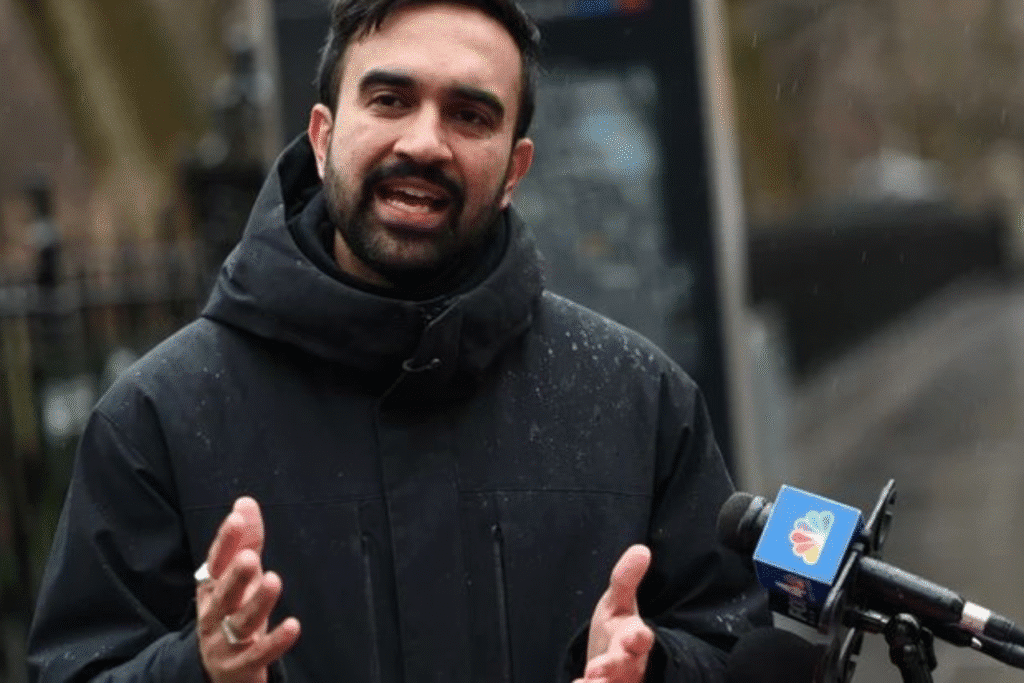
The vision of Zohran Mamdani focuses on making New York City a better place to work and live with the families of the working classes and immigrants. His intent is to ease the burden of the cost of living tax by many people in the metropolis through aggressive housing policies, transit solutions and social programs. His prism is social economic justice: not simple representation, but physical betterment of life.
Young Empowerment and Political Change.
In addition to policy,Zohran Mamdani sees his campaign to be an example of youth-led, grassroots politics. He has discussed that politics should be concerned with available public service and not power. He thinks that youth mobilisation, mobilisation of organisations, and communities of colour can alter the political results, not only in New York, but around the country. The Guardian
Potential Mayoral Candidacy (Realised).
Even though it is still structured as potential, mayoral candidacy of Mamdani is history in motion: he is the Democratic nominee of New York City mayor. His election will be many firsts including the first Muslim mayor of NYC, the first South Asian born mayor and youngest in decades. His term (unless otherwise) commences January 1, 2026. Wikipedia
Challenges and Lessons Learned
Overcoming Barriers in Politics
Zohran Mamdani has not been able to ascend without controversy: he has been accused of Islamophobia, being a communist, has had opposition even among political leaders in power, and has been subject to intense media criticism. The Guardian+1 His experience highlights the fact that even minority candidates, albeit progressive, have to deal with established power hierarchies and mudslinging.
Growth as a Community Leader
The difference with Zohran Mamdani is that he has evolved; being a staffer of a campaign, a legislator, a mayoral candidate, but still having connections to grassroots activist. He has proven to be adaptable (digital outreach), coalition building (connecting the immigrants and youth and working class voters), and policy clarity (affordability + equity). His experience will teach us how progressive politics in the present day can be idealistic and pragmatic in its approach to organising.
Frequently Asked Questions (FAQ)
Q1: Who is Zohran Mamdani?
A1: Zohran Mamdani is a member of the state assembly in the state of New York, Queens and a Democratic candidate to be the mayor of New York City. He was born in Uganda and grew up in New York City, as a democratic socialist who is a member of the Democratic Party and the DSA. Wikipedia+1
Q2: What are the policy priorities of Mamdani?
A2: His major policies are affordable housing (rent-freezes and new housing), free transit, grocery owned by the city to combat high cost of living, raising the minimum wage (to $30/hr by 2030), and redistributing the tax load to rich areas. Zohran for NYC+1
Q3: What is so important about his rise to politics?
A3: Mamdani in the 2025 Democratic primaries beating big name politicians demonstrates how effective grassroots organisation and youth led campaigns can be. It is an indication of the possible change in the functioning of progressive politics in big cities. The Guardian+1
Q4: Have Mamdani experienced any scandal or hardship?
A4: Yes. He has suffered Islamophobic attacks, has been mischaracterised as a communist, and his agenda on policy has been criticised. Fact checks however indicate that he is a democratic socialist as opposed to a communist. Al Jazeera
Q5: At what time is Mamdani elected as mayor and what will he do on his first action?
A5: Mamdani will assume office January 1, 2026, in case he is elected in November 2025. His campaign suggests that he will address the immediate matters of housing affordability, transit reform (free buses pilot) and opening city owned grocery stores, but a real implementation will be dependent on alliance building and city budget realities.
Conclusion:
The rise of Zohran Mamdani is an illustration of the changes in the American urban politics. He unites the concept of immigrant identity, the progressive policy, youth action and grassroots activism into a rational bundle. Since his childhood in Queens up to the historic candidacy of the mayoral office, Mamdani has presented a new model of political leadership that is based on justice, representation, and structural change.
When he is ready to govern one of the greatest cities in the world, transformation of campaign promises into governance will be his challenge. Will he manage to provide on rent freezes, transit reform and affordability as he wades through the city politics? Time will tell. What is plain, however, is that Zohran Mamdani is not simply running after office but, rather, he is putting together a vision of what urban democracy can be.