Introduction
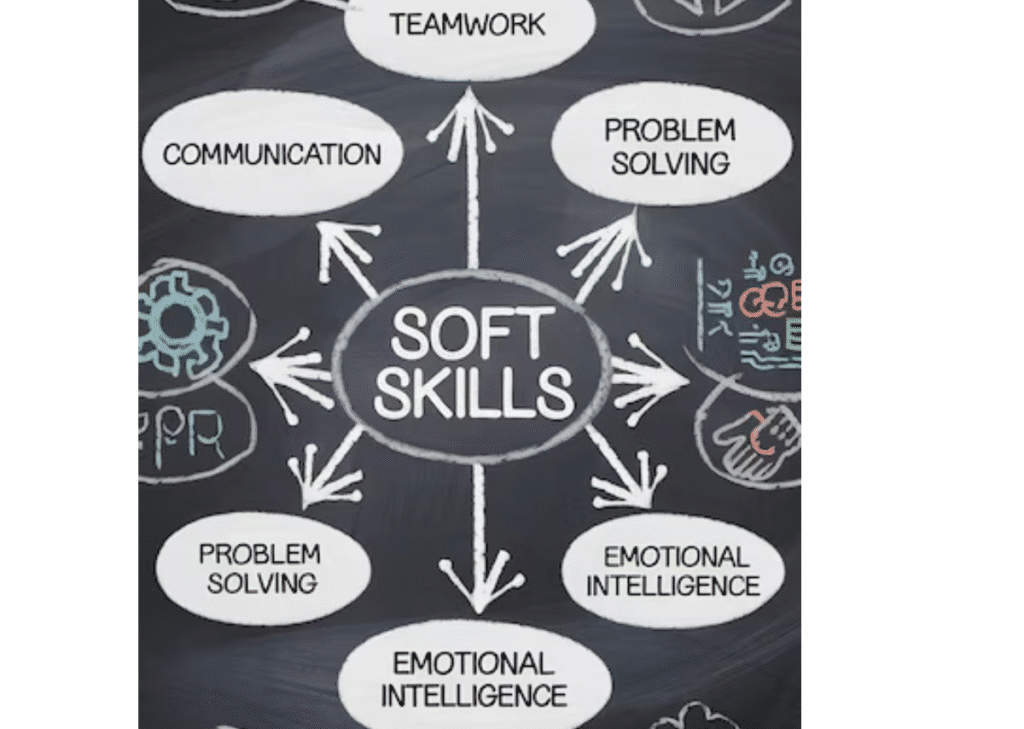
Soft skills are now as significant (or more so) in the work environment as technical expertise due to the intense competition and dynamism prevalent in the modern world of work. Soft skills refer to diverse people, communication and problem-solving skills that help people to work together and overcome conflicts as well as perform exceptionally in various workplaces. Hard skills will help you to enter the door, but soft skills will make you flourish and establish valuable professional relationships.
Jack of all soft skills, these mastered in leadership and teamwork, emotional intelligence and time management can easily influence your career path. Soft skills are important in how you relate with your co-workers, your seniors and your customers whether you want a promotion or you want to have more acquaintances in the professional field. Throughout this article, we will discuss the most important examples of soft skills and give practical tips on how to improve them to make sure that you are not only satisfying the job requirements but surpassing them and making an indelible positive impression in the workplace.
Why Soft Skills Matter in the Workplace
In the modern work environment where everything is dynamic, it is not just sufficient to possess the appropriate technical competence. Employers are beginning to focus more on people with a good array of soft skills that enable them to be able to work well with others, effectively communicate and meet new challenges. You can use soft skills when communicating with a team or dealing with clients or guiding a project, as they are useful in establishing a working environment based on collaboration and ensuring the work in any organizational environment functions smoothly.
Emotional Intelligence (EI) Power.

Emotional intelligence (EQ) is considered one of the most important soft skills that may make you stand out in your profession. It is the power to comprehend, manage, and express your feelings, empowered with the power to sympathize with people. Being emotionally intelligent benefits you by enabling you to deal with stress, resolve disputes effectively and develop effective working relationships. High EQ leaders are inspiring and motivating their teams, whereas employees of this competency make good collaborators and solvers.
Tips to Improve Emotional Intelligence:
• Be an active listener to know the views of other people.
• Be able to remain calm and collected in the face of pressure.
• Get to know how to handle your feelings and responses, particularly during stressful moments.
• Demonstrate sympathy and support to your co workers.
Communication Skills – The Keystone of Business Success.

The best of soft skills in the work place is probably communication. Clear communication makes people collaborate with each other and prevents misinterpretations whether you are talking to your colleagues, clients, or superiors. It comprises verbal and written communication as well as non-verbal communication which involves the body language as well as facial expressions.
Communication Skills Improvement Methods:
• Learn to listen- before you reply to someone- know what the other person is saying.
• Keep your messages short and clear.
• Get used to the habit of offering and obtaining constructive feedback.
• Watch your tone and body language.
Time Management – Mastering Efficiency and Productivity
Another important soft-skill that will have a direct influence on your performance and productivity is time management. When you have control over your time, you will be able to get your deadlines, prioritize, and even stay organized even when you have a lot of other things to do. Time management gurus tend to be promoted to leadership positions due to their capacity to remain focused, organized and achieve results in times of stress.
Time Management tips to enhance:
• Keep yourself on track using such tools as the calendar and task management applications.
• Airport the tasks according to urgency and importance (i.e. the Eisenhower Matrix).
• Procrastination should be avoided, so large tasks are subdivided into small steps that are easy to handle.
• Take time to have breaks to re-energize and keep the focus.
Leadership and Teamwork – Building Positive Relationships
Good leadership and team work are also soft skills that can or cannot succeed in any of your professional relationships. Leadership is not merely about the management of a team but about motivating and inspiring others and influencing them to share a common objective. Similarly, most team players are good individuals as leaders are. Teamwork leads to collaboration, innovation and free exchange of ideas and feedback.
Suggestions of how to become a better leader and improve teamwork skills:
• Active listening and listening to the ideas of people.
• Value the efforts of your team.
• Be a leader by example— be a proactive and responsible person.
• Provide positive feedback and promote team work.
Adaptability – Thriving in a Dynamic Work Environment

Adaptability refers to the capability to adapt to emerging circumstances and challenges in a positive attitude. In such a dynamic workplace, it is possible to be flexible in order to remain relevant and competitive. The individuals that are capable of swift adaptation, acquisition of new skills, and changes are regarded as an asset to any organization.
Guidelines to enhancing Adaptability:
The first one concerns remaining inquisitive and continuing to learn to keep up with a new tool and technology.
• Be open-minded and open to change as a way of growing.
• Be able to handle your responses to unforeseen difficulties in a solution-focused attitude.
• Practice flexibility both in life and career.
Problem-Solving Skills – Finding Solutions, Not Excuses
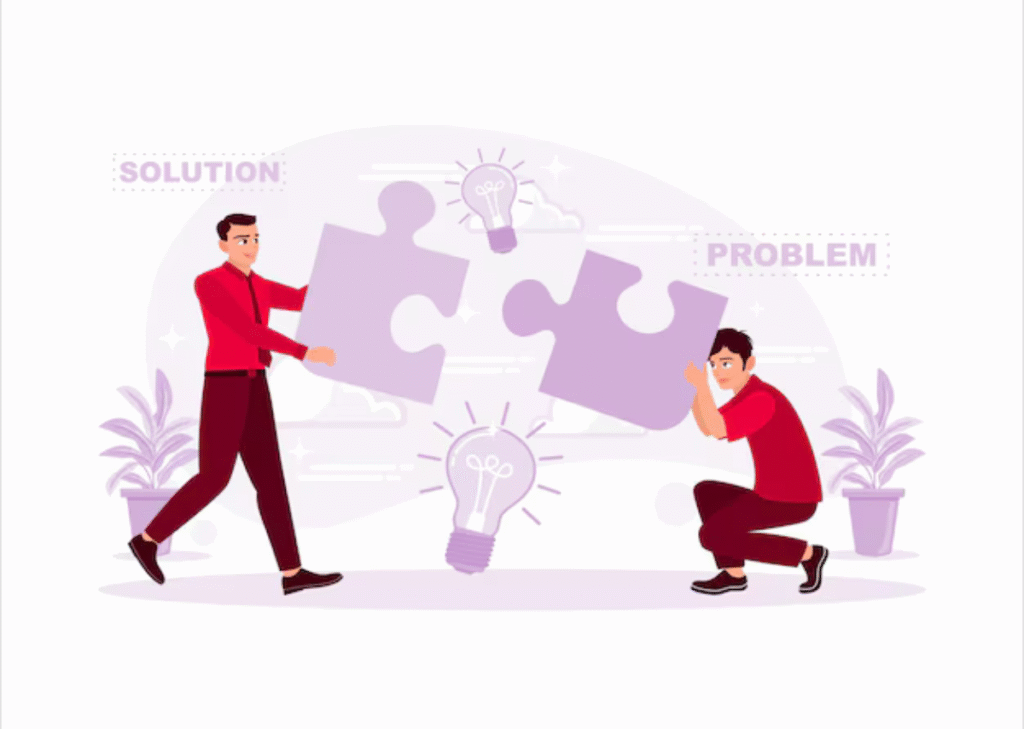
One of the soft skills, which every professional must have, is problem-solving. It is all about a problem discovery, problem analysis as well as developing solutions. Well-developed problem-solvings play an important role in any team since they will be able to solve problems and identify how to make things better. Creativity and critical thinking, as well as risk-taking, are also related to problem-solving.
Problem-Solving Skills: Tips to help:
• Dividing complex issues into smaller, easy to handle components.
• Get out of the box and find alternative ways.
• Cooperate with other people to acquire different views.
• Remain positive in stressful situations and rationalize.
Frequently Asked Questions (FAQs)
Which are the top soft skills in career success?
Emotional intelligence (EQ), emotional skills, communication skills, time management, leadership, team work, adaptability and problem-solving skills are the most crucial soft skills to the career success. The skills aid professionals to develop good relationships, solve their problems effectively and become good in their respective career.
What is my weakness in soft skills?
Soft skills must be enhanced through self-understanding, training, and learning. Learn to listen actively, ask other people to give feedback, challenge yourself, and reflect on what has happened to you. Also, it is a good idea to visit workshops, read appropriate books, and play roles, to improve certain soft skills.
So what is the importance of soft skills to employers?
Employers appreciate soft skills since they can help in creating a good working culture, enhance communication, increase teamwork and result into increased productivity. The employees who possess high soft skills will also be more adaptive and have ability to solve problems and be effective in conflict management thus will be of worth to the organization.
Can soft skills be learned?
Yes, it is true that soft skills can be learned and developed with time. Although one might feel inclined toward some soft skills, anybody can improve his or her skills through constant practice and efforts and with a desire to learn. Attend to the areas that you can develop and look out to the use of the skills in real life.
Conclusion:
Soft skills are also required to enhance career growth and development of good working relation with others. Those skills improve your skills not only in communicating, time management, and effective leadership but also help you to overcome obstacles, work in a team, and develop flexibility to change. You need to invest in soft skills whether you are a beginner in your career or you are ready to give your professional life another push. You can enhance your career and develop a sustainable professional relationship that would make you stand out in any profession by mastering time management, communication skills, emotional intelligence, and developing leadership ability.