
Meta Description: Learn good Gynecomastia Self-Care. Get to know how to cope with the symptoms, gain confidence, and have a healthier lifestyle to feel better.
Gynecomastia Self-Care: Practical Tips for Managing Symptoms and Boosting Confidence
Introduction
Gynecomastia Self-Care is a condition whereby the male breast tissues swell and is common in many men. Although it is not typically a medical issue, it may produce a strong effect on self-esteem and body image. When you have to deal with gynecomastia, you might be in a state of wondering how to take the matter into control and how to manage the symptoms. This guide will equip you with very practical and doable tips regarding self-care in gynecomastia, specifically lifestyle, exercise, nutrition and medical therapy. No matter whether you are starting your adventure or you are already used to the condition, you will be sure to find something useful about how to feel better and build your confidence. These are self-care strategies that we are going to explore and find out how little changes can transform a lot in the management of Gynecomastia Self-Care.
What Is Gynecomastia?
Understanding the Condition
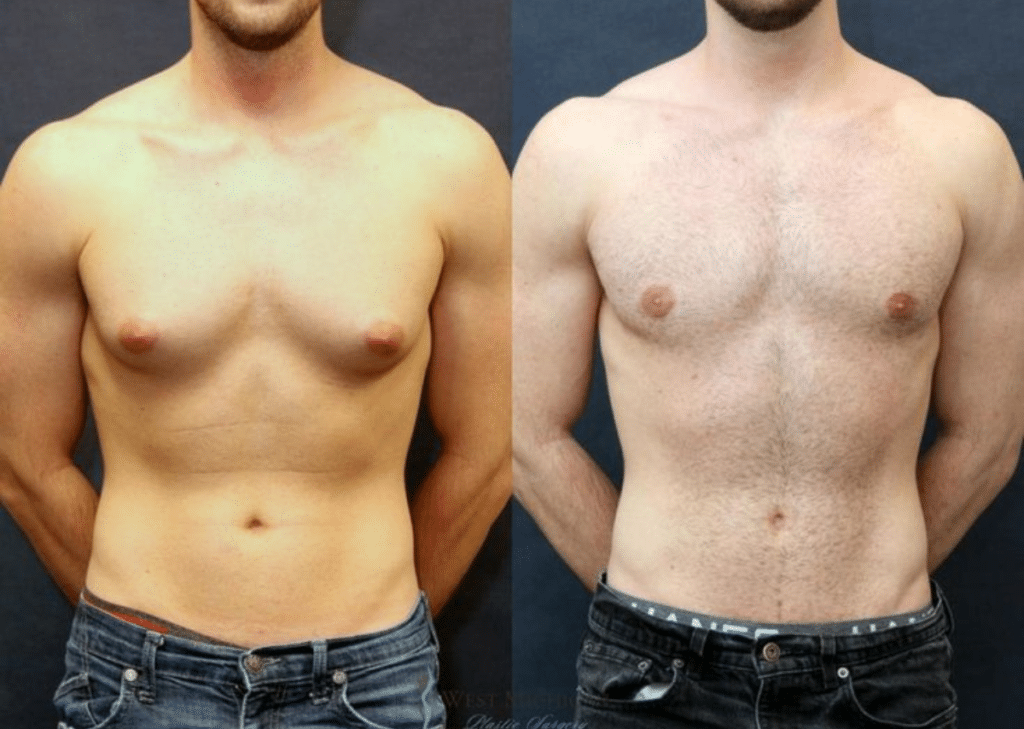
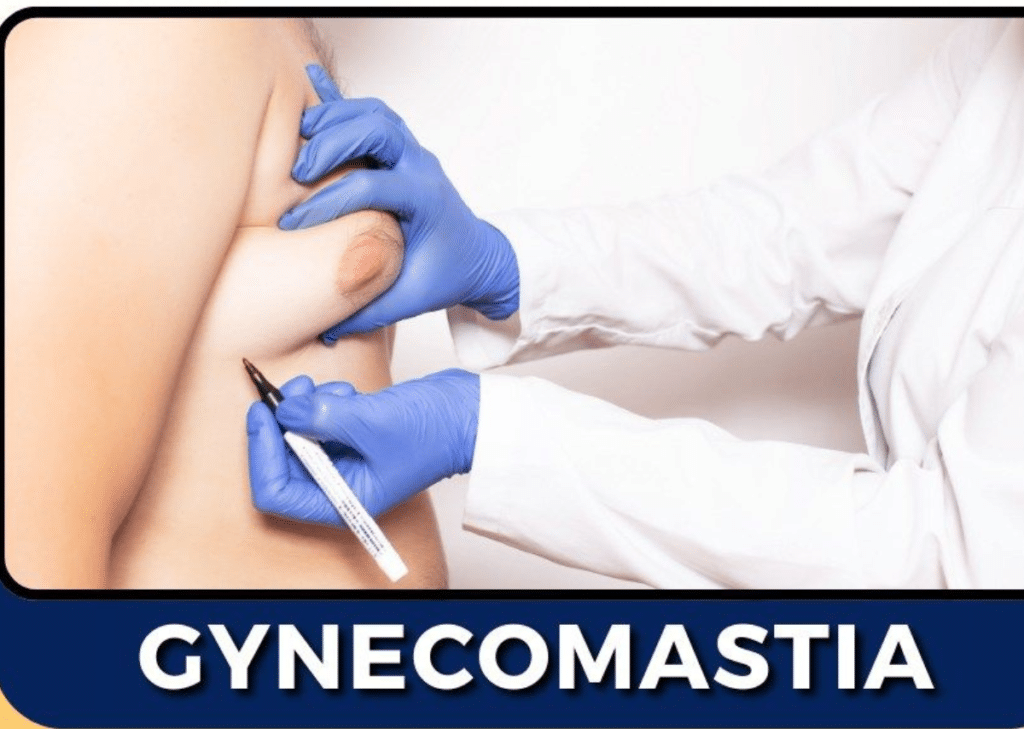
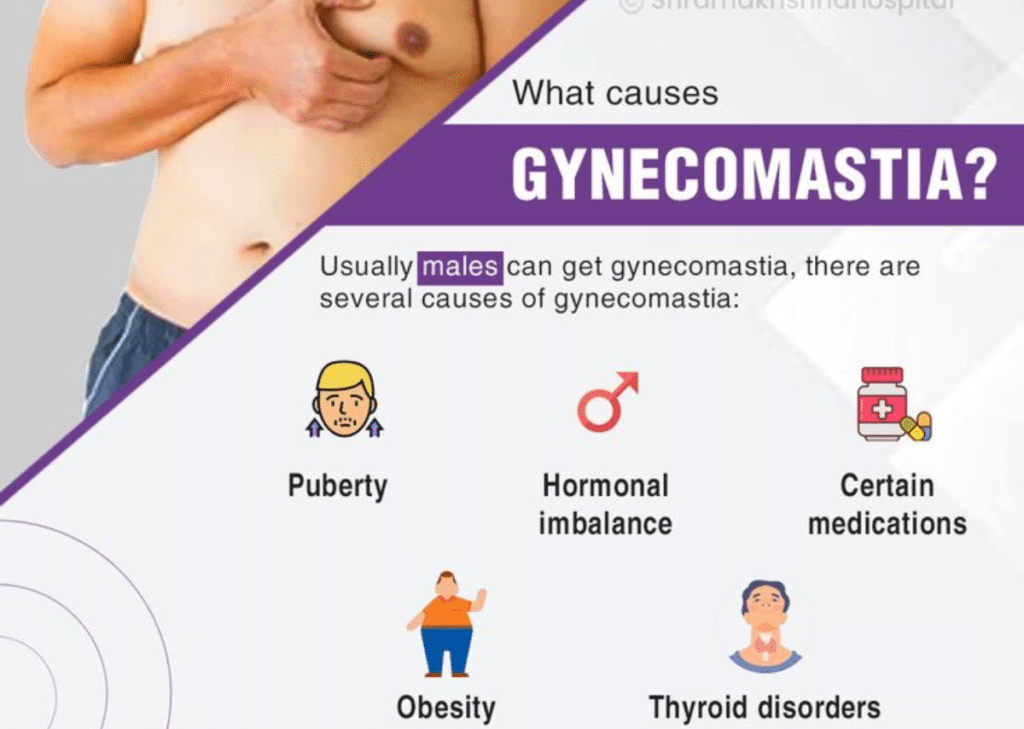
Gynecomastia is a widespread disorder by which the breast tissue in males is swelled. This is because of an imbalance of the hormones, and in most cases, it is the rise of estrogen or a drop in the testosterone. Although it may occur at any age, it is more prevalent in puberty and old age.
Symptoms to Look Out For
The major symptom of gynecomastia is the swelling or tenderness of the breast tissue. Both or one of the breasts may swell. It is usually an innocent one, yet it may influence your self-image and create emotional problems.
When to Seek Medical Advice
Early or painful breast tissue changes can be observed suddenly or without any warning; thus, when the condition does not go away, it is necessary to seek medical attention. They are able to determine whether the condition is associated with a health concern or it is pure benign form of gynecomastia.
Practical Self-Care Tips for Managing Gynecomastia
1. Embrace a Healthy Diet
Focus on Nutrient-Rich Foods
Having a balanced diet is of importance in controlling gynecomastia. Eat healthy foods such as leafy greens, low-protein foods, and whole grains. These foods may be used to control the level of hormones and avoid the further enlargement of the breast tissue.
Manage Hormone Imbalances
Hormones can be maintained by specific foods. Add healthy fats such as avocados and olive oil. The broccoli and cauliflower, which are cruciferous, could also aid the body during the detoxification of the surplus estrogen and help with hormonal wellbeing.
Hydration is Essential
Consuming a lot of water is also helpful in eliminating toxins in your body and facilitates metabolism. Maintaining fluid intake will also help in minimizing bloating and water retention which may also lead to the development of gynecomastia.
2. Exercise Regularly
Target Chest Exercises
Training is most likely to control the emergence of gynecomastia. Exercising the chest would help to build the muscles and narrow the space between the tissue below the breasts. Bench press, dumbbell flyes and push-ups are also good options in building up chest muscles.
Add Circle to Fat Loss
Fat is burned up through cardiovascular exercises which include running, cycling or swimming. As too much body weight may cause gynecomastia, Cardio into your daily routine may help you lose the overall fat, which may also help to relieve the condition.
Weight Lifting to Hormonal Balance
Hormonal health can be promoted with the help of strength training that increases the levels of testosterone. Perform weight lifting exercises or do some resistance training exercises to put a check on estrogen levels and to enhance your general body build.
3. Wear Supportive Clothing
Use Compression Garments
Gynecomastia can be addressed with compression clothes that are highly effective in minimizing its appearance. The shirts also assist in flattening the chest and support, particularly when one is engaged in physical activities. They are also able to enhance your confidence in the day to day activities.
Choose Clothes that Flatter
Fitting clothes can play the role of reducing the occurrence of Gynecomastia Self-Care. Use darker colors and patterns, and it will make one look thin. Tight clothes are to be avoided since they will attract attention to the chest.
Medical and Professional Treatment Options
1. Consult a Healthcare Professional
When self-care measures are insufficient, it is necessary to address the doctor. A medical professional will be able to identify the pathogenic agent of your gynecomastia and prescribe corresponding treatment. These can incorporate drugs or surgery in case of more serious cases.
2. Hormone Controlling Medication
Medications are able to balance hormones as well as shrink enlarged breast tissue in some men. SERMs and aromatase inhibitors are widely used as a therapy in treating gynecomastia.
3. Surgical Solutions
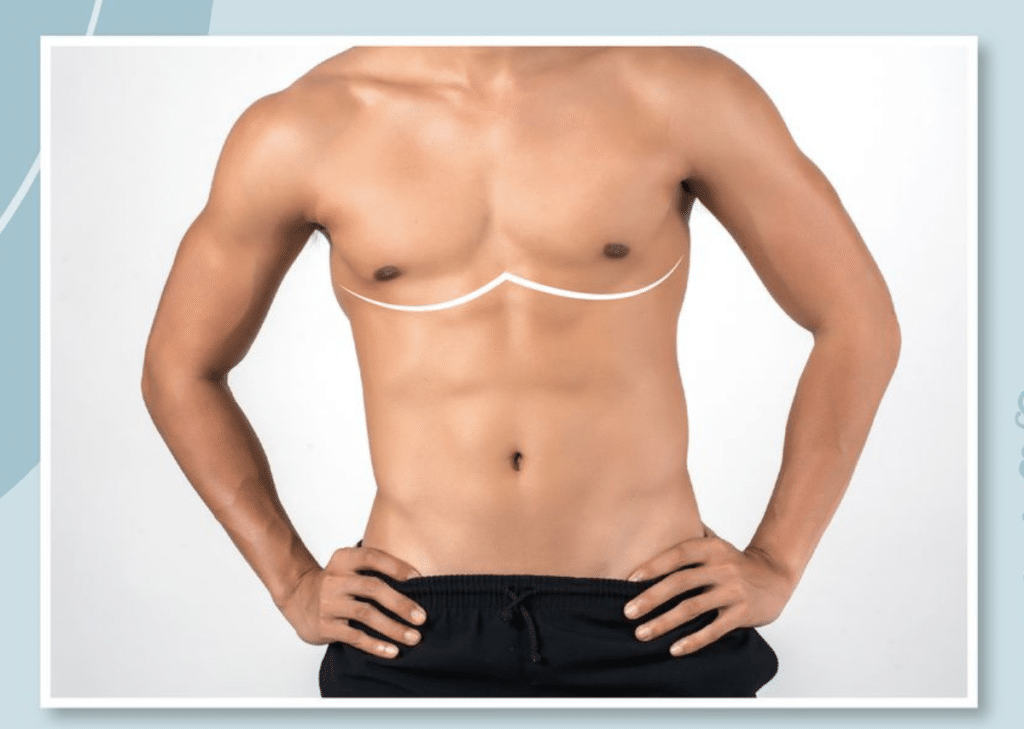
In case the condition is chronic or is very uncomfortable, surgery can be recommended. Male breast reduction surgery involves the removal of excess tissue and re-appearance of flatter chest contour. The choice has lasting effects particularly to individuals who do not respond to other therapies.
Lifestyle Adjustments for Long-Term Management
1. Avoid Alcohol and Recreational Drugs
Some drugs may disrupt the hormone levels and cause gynecomastia. The condition may be worsened with the help of alcohol, recreational drugs, including marijuana or anabolic steroids. Cutting back or stopping to consume these substances in your daily routine can be one of the ways to control symptoms.
2. Manage Stress Effectively
Chronic stress may influence the amount of the hormones, as well as lead to the gain of weight that may exacerbate the state of gynecomastia. To ensure that stress does not take its toll on you, include stress-relieving activities like yoga, meditation or some deep breathing exercises in your routine.
3. Monitor Your Medications
Gynecomastia Self-Care is a side effect of some prescription drugs. In case you are under medication, like using anti-androgens, antidepressants or steroids, consult your physician and negotiate with them on possible alternatives or modification of your prescribed dosage.
Conclusion: Gynecomastia Self-Care
Gynecomastia can be managed with the combination of lifestyle modification, exercise, and professional treatment to manage it through self-care. With the help of proper nutrition, physical fitness, and special clothes, the problem of Gynecomastia Self-Care can be minimized, and you will be able to feel confident. In case the condition continues and is accompanied by a lot of discomfort, then there is no need to worry but seek a medical consultation to get more guidance. The most important thing in controlling Gynecomastia Self-Care is to act and be determined to live a healthy and good life.
(FAQs) Gynecomastia Self-Care
1. Will the gynecomastia resolve self-limiting?
In a few patients, Gynecomastia Self-Care can self resolve particularly in puberty period. But when the condition lasts more than a year then one should seek medical consultation.
2. Is diet an effective treatment of gynecomastia?
The level of hormones, weight loss, and wellbeing of the body as a whole can be controlled using a balanced diet that could reduce the size of swollen breast tissues. It is important to eat foods that help maintain hormone balance such as healthy fats, cruciferous vegetables.
3. Is a surgical solution toGynecomastia Self-Care the only way?
No, surgery is normally used in case of severe cases. Most men are able to treat gyncomastia through self-care measures such as physical activity, nutritious diets and drugs. Surgery is also possible where other interventions fail to deliver satisfactory outcomes.
4. What is the time interval of Gynecomastia Self-Care measures working?
Findings of Gynecomastia Self-Care interventions such as exercise and nutrition can happen in some weeks or months. Surgery and medication also offer quicker outcomes, and lifestyle modifications do help in the management of the condition over time.
5. Do gonadotrophic hormones have any natural remedies to gynecomastia?
Herbal supplements, like ginger or turmeric, are some of the natural remedies that could be used to reduce the symptoms. Nonetheless, very little evidenceexists as to their efficacy and you need to visit a physician before attempting these alternatives.