Learn the best diastasis recti exercises for strengthening your core and promoting recovery. Discover safe techniques for improved abdominal health.
Diastasis Recti Exercises: Strengthen Your Core and Promote Recovery
Separation of the abdominal muscles is known as Diastasis Recti Exercises and may occur after pregnancy, or may affect both men and women as a result of many factors such as heavy lifting, or extreme abdominal pressure. Regardless of whether you need to recuperate after diastasis recti or just prevent it, certain exercises can be used to achieve your core strength. This manual will take you through some of the best exercises that will enhance deep abdominal muscles and better fitness.
What Is Diastasis Recti Exercises?
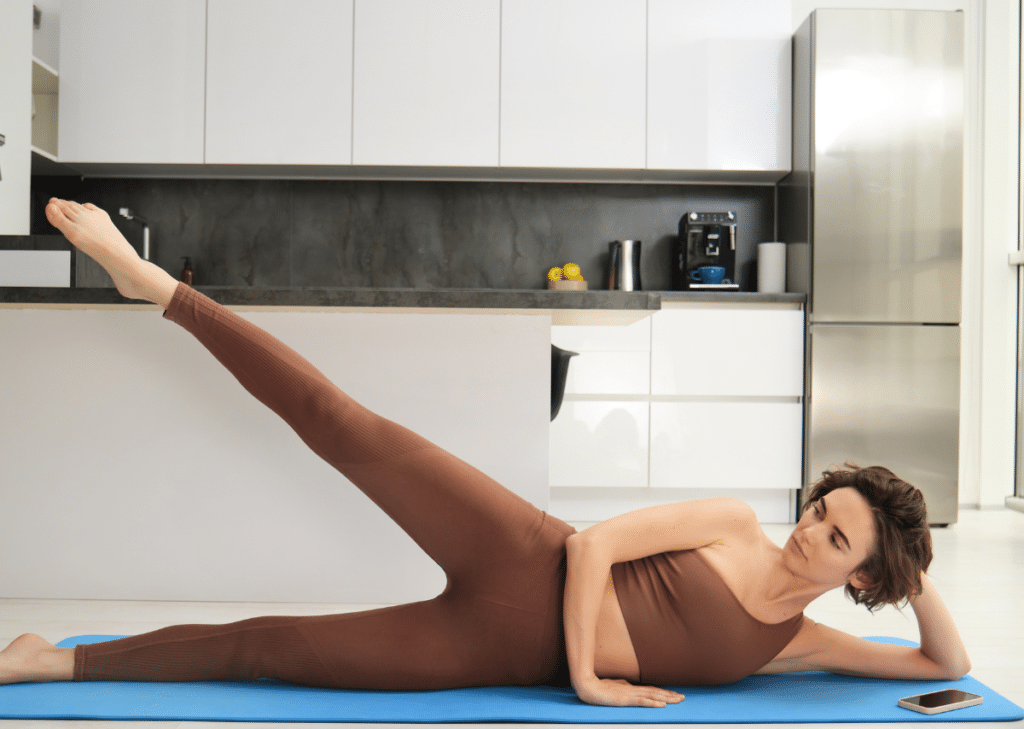
Diastasis recti is a condition where the two halves of the muscle which form the stomach six pack (rectus abdominis muscle) part along the stomach midline. Pregnancy is mostly related to the condition, although it may also arise as a result of excessive weight, lifting, or other health diseases. Depending on the separation, the separation may cause a bulge in sight or a sense of weakness in the abdominal region, which may be accompanied by back pain and poor posture.
Why Are Diastasis Recti Exercises Important?
The targeted exercises to strengthen the abdominal muscles are important in patients recovering diastasis recti. The exercises will assist in bridging the distance between the divided muscles, relieving pain, and enhancing improved posture. Besides, it is possible to strengthen the core muscles on a regular basis, which enhances the overall abdominal functionality, which is essential in daily movements and health in general.
Best Diastasis Recti Exercises for Beginners
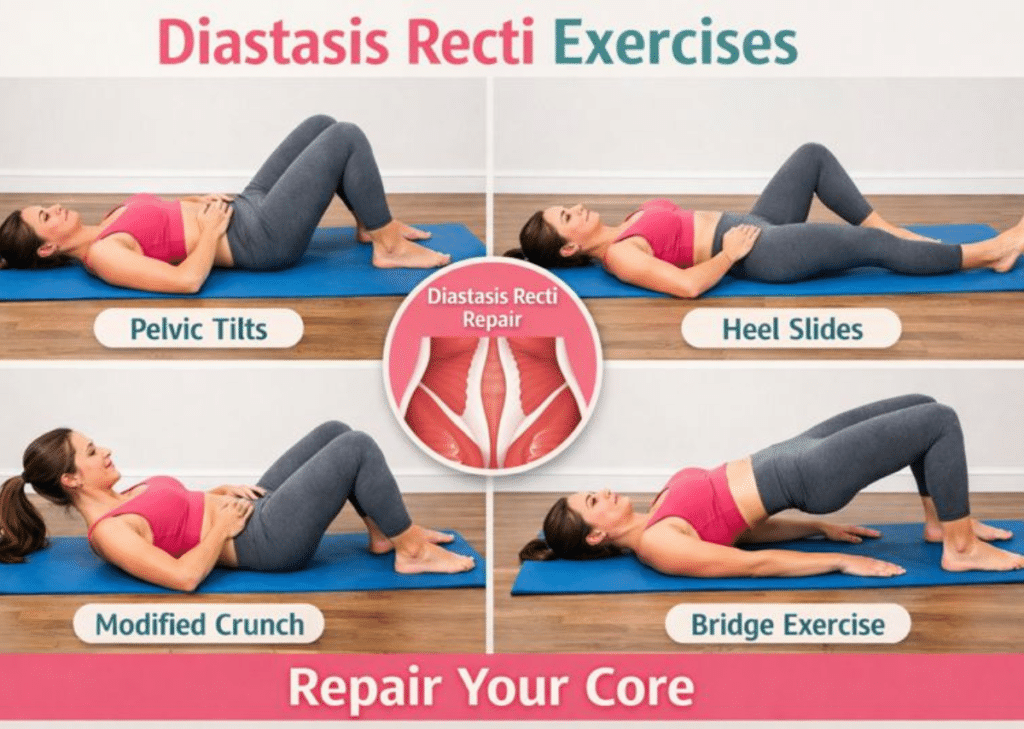
1. Pelvic Tilts
- How to Perform:
- Sit on the back with knees bent at right angles to the floor.
- Pull in your belly and hiccough your back to the floor.
- Wait a moment, or two, and then take it easy.
The reason is, The pelvic tilts: This will assist in using the deep abdominal muscles especially the lower abdominal muscles without straining the separated muscles.
2. Transverse Abdominal Breathing

- How to Perform:
- Lie flatly on your back with knee bend inches and feet flat on the floor.
- Breath deeply, and draw your ribs out.
- Breath out and draw your belly button towards your spine involving the deepest abdominal muscles.
• Why It works: This activity works the transverse abdominis that plays a role in bridging the gap and supporting the core.
3. Modified Plank
- How to Perform:
- Begin on hands and knees with your wrists bent along your shoulders and knees below your hips.
- Pull in your belly and raise one leg at a time, and hold.
- Progressively increase the time spent in the position.
• Why It Works: This variation of the plank uses the core without involving the abdominal muscles.
Advanced Diastasis Recti Exercises for Recovery
1. Heel Slides
- How to Perform:
- Lying on your back, with the knees bent, the feet on the floor.
- Moving at a slow pace, one foot slide, making sure that the lower back of your body is in contact with the floor.
- Invigilate the leg with the other and vice versa.
Why It Works: Heel slides are a great way of training bottom-line or deep core muscles and making the lower abs stronger and more stable.
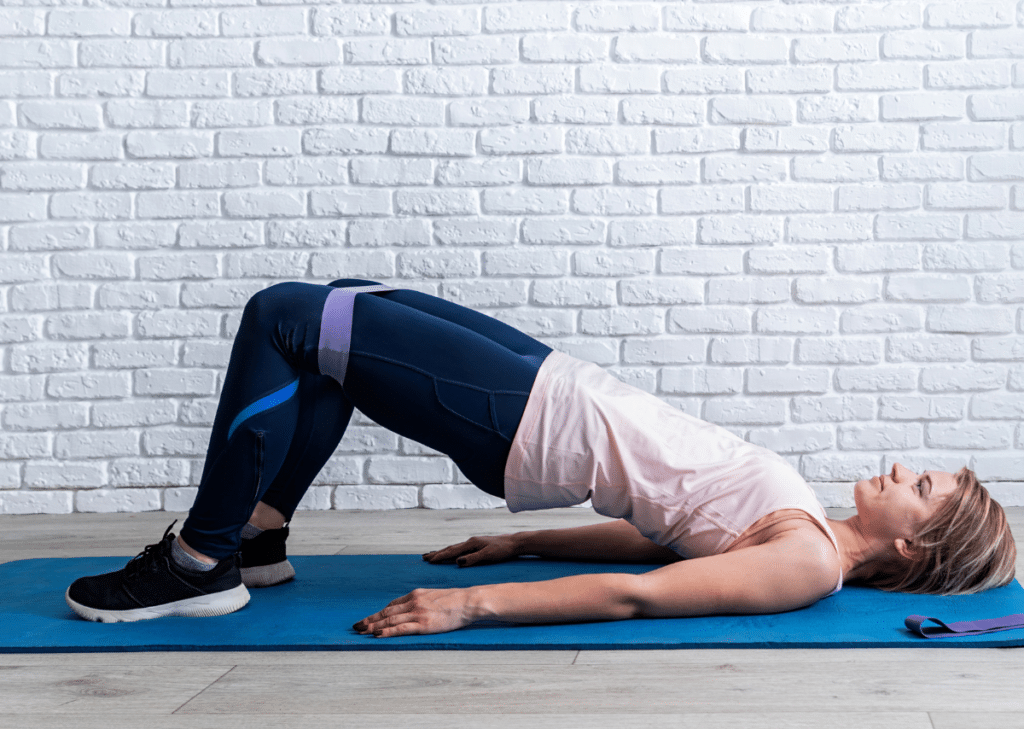
2. Bridge Exercise
- How to Perform:
- Lie on your back and bend your knees at 90 degrees and press your feet flat on the floor.
- Use your heels to press up against the floor and your hips to press up against the ceiling using the core.
- Slowly, down and back at the lower back.
• Why It Works: The bridge exercise works on the glutes, lower back and the abdominals which helps in core strength and posture.
3. Leg Lifts
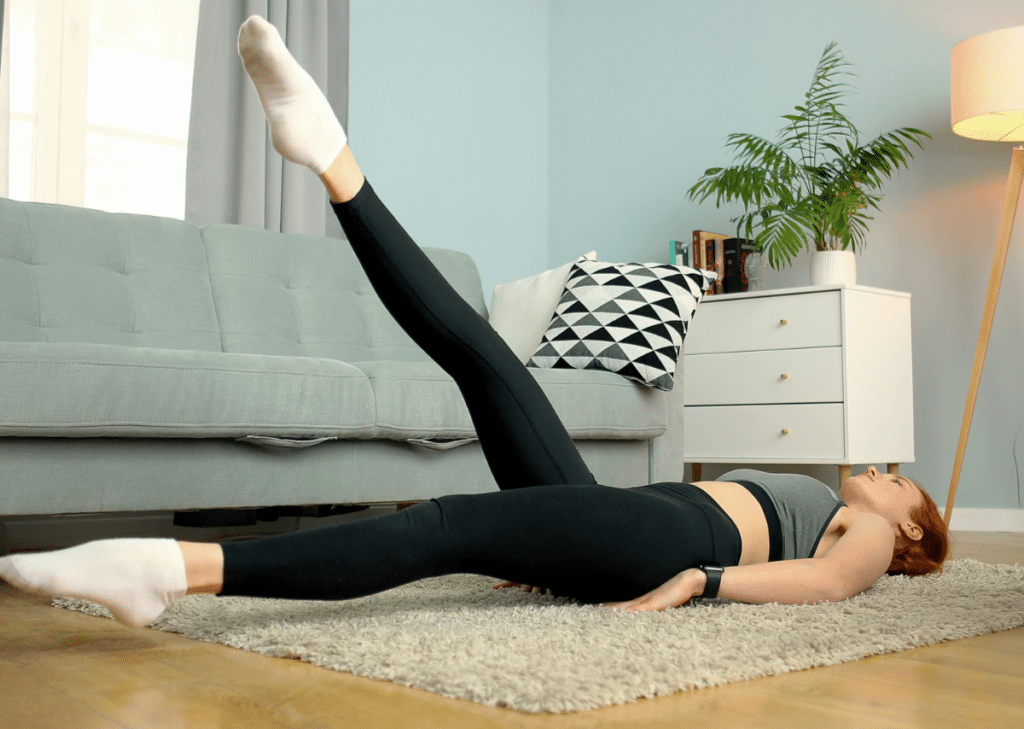
- How to Perform:
- Strauss on your back and straight on your legs.
- Gradually raise one leg towards the ceiling, and straight.
- Bring it down again and then the other leg.
• Why It Works: Leg lifts are meant to work the lower abs and enhance muscle activity so that they can bridge the diastasis recti gap.
Tips for Safe and Effective Diastasis Recti Recovery
• Begin Small: When you are a beginner in the area of diastasis recti recovery, you should start with simple exercises and build up the intensity of the exercises as your core strength increases.
• Avoid Strain: Do not do exercises that put over-pressure on the abdomen like the sit-ups or the conventional crunches.
• Pay attention to Core Engagement: It is always best to consider the right technique and core engagement so as to prevent further differentiation of the abdominal muscles.
• Listen to Your Body: When you experience pain or discomfort in the process of exercises, then stop and seek the consultation of a healthcare professional or physiotherapist.
Conclusion:
The process of Diastasis Recti Exercises and core strengthening needs to be consistent, patient, and correct exercises. Using the above exercises, you would be able to regain abdominal strength, enhance your posture, and avoid other complications. These exercises can be done by anyone who is either a beginner or an expert based on the level of fitness. Also, do not forget to monitor your body and use the help of a health care professional during the recovery process.
Frequently Asked Questions (FAQs)
1. What are the signs of diastasis recti?
- Signs of Diastasis Recti Exercises include a visible gap or bulge in the abdomen, especially when lifting, and a feeling of weakness in the core.
2. Can I recover from diastasis recti with exercise?
- Yes, with consistent and targeted exercises, it’s possible to reduce the gap and strengthen the abdominal muscles over time.
3. What exercises should I avoid with diastasis recti?
- Avoid exercises like crunches, sit-ups, and any movements that put excessive pressure on the abdominal muscles, especially twisting motions.
4. Can Diastasis Recti Exercises occur in men?
- Yes, men can also experience diastasis recti, often due to excessive abdominal pressure from weightlifting or other strenuous activities.
5. How soon after pregnancy can I start diastasis recti exercises?
- It’s generally safe to begin gentle exercises a few weeks postpartum, but always consult your healthcare provider for personalized advice.