
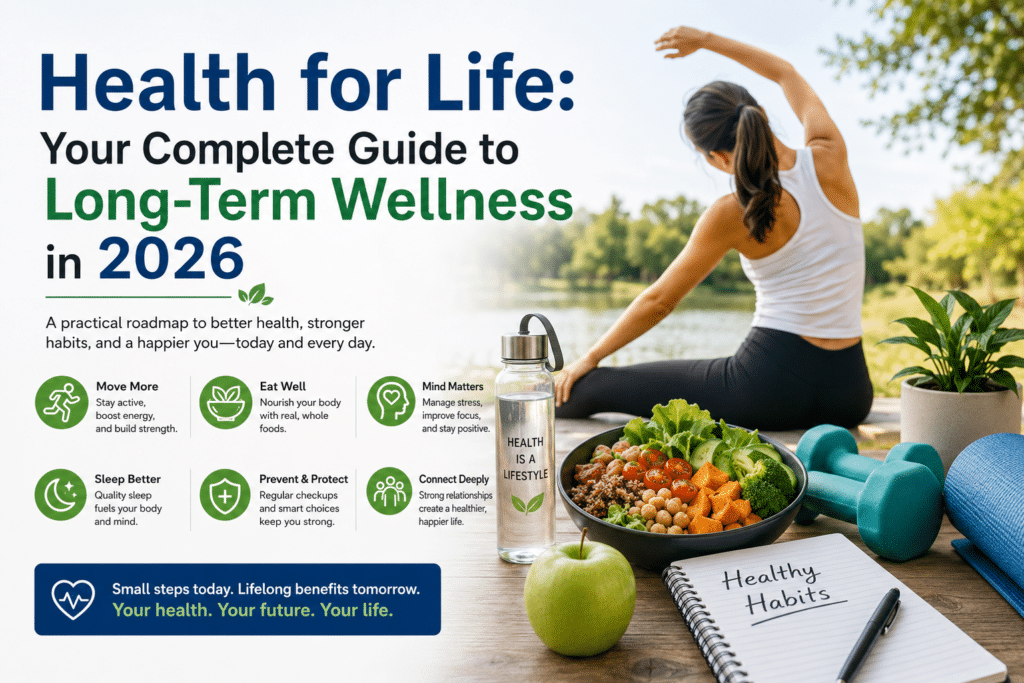
Introduction Health for Life
Maintaining a healthy lifestyle is not just about preventing disease anymore. Health for life has largely been built on more general themes: building physical strength and mental clarity, establishing emotional balance, laying down longer-term wellness habits to serve you tomorrow. In the year 2026 this was the central idea of health for life—fitness that enhances quality of life every day. Whether you are a novice just getting started on your health journey or someone who is already focused on fitness and nutrition, lifelong well-being requires consistency, smart choices, and sensible habits.
Stress, processed foods, poor sleep and a sedentary lifestyle are all common features of modern life. These factors can in turn be the gradual enemies of your health. But those are only simple lifestyle changes that can generate long-lasting dividends. Lifelong Wellness consists of nourishment, activity, sleep and stress management.
Here is all about Realizing health for life in this guide. You will learn all sorts of real life help, wellness tips and live a healthier life with scientifically proven methods that are good for the body and mind long into old age. This is the article for you if you want better energy, stronger immunity, improved mental health and a happier lifestyle.
What Does Health for Life Mean?
Life-long Health is about developing habits of health that support you in all that you are with your life throughout your whole life. Looking great is not out of reach, it may avoid crash dieting during the week and repeating fitness pastime as well. Now, instead focusing on wellness.
Healthy means physical, mental and emotional health. These three areas work together. If one area wilts, the others often wilt as well.
The Lifelong healthy people tend to experience:
• Better energy levels
• Improved mood and focus
• Stronger immune systems
• Reduced risk of chronic diseases
• Higher confidence and productivity
Strive for balance, not perfection. Always realize that small healthy everyday decisions are usually the biggest overall change makers.
The Importance of Physical Health
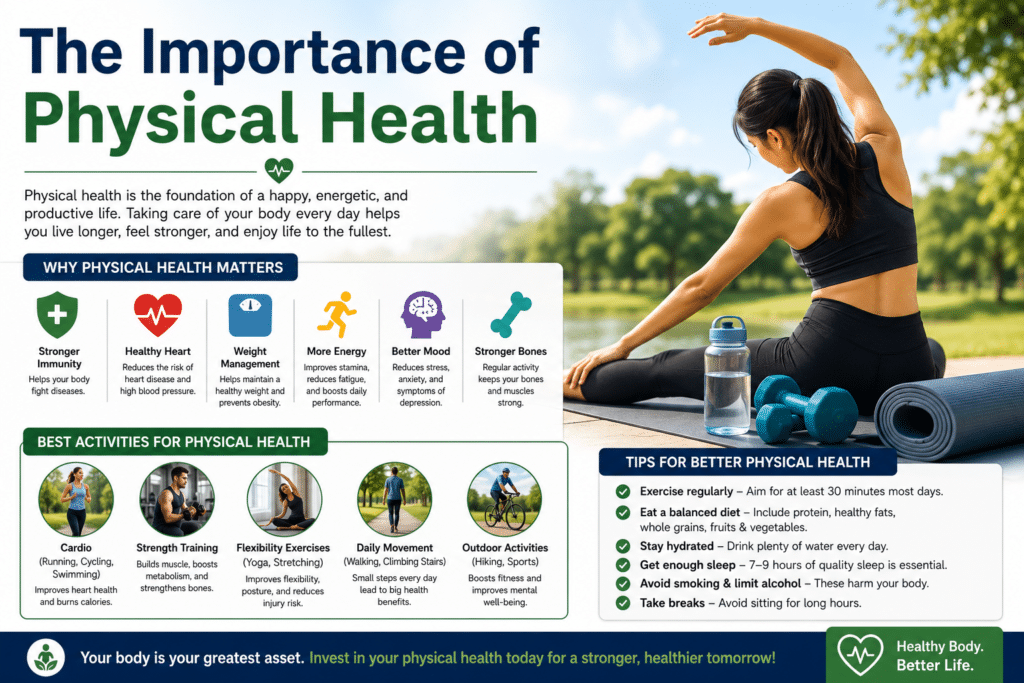
Regular Exercise Improves Overall Wellness
Exercise is one of the key components of health for life. This is because exercise gives your muscles, heart, lungs and immunity a boost. Manage Weight: Another benefit of exercise is, it helps in weight management and also reduces stress.
Most experts recommend at least 30 minutes of moderate exercise on most days of the week. This can include:
• Walking
• Jogging
• Cycling
• Swimming
• Strength training
• Yoga
Moving routinely is similarly great for blood flow and solid maturing. Activity like stretching and even taking the stairs.
Healthy Nutrition Fuels Your Body
Also, your body requires the right nutrients in order to perform properly. A healthy diet helps us stay alert, energised and mentally sharp while also offering disease prevention benefits!
Focus on eating:
• Fresh fruits and vegetables
• Whole grains
• Lean proteins
• Healthy fats
• Plenty of water
Now stop consuming processed meals, sugary drinks and too much of junk fast food. Eating great doesn’t suggest top notch weight-reduction plan. Making appropriate food decision regularly.
Meal Planning and Portion Control Meal planning is another way to maintain a healthy lifestyle without restriction.
Mental Health and Emotional Wellness
Managing Stress Effectively
Stress is a big issue in modern life. Chronic stress harms sleep by disrupting both the duration and quality of sleep; the digestive system through psychosocial aspects (inhibiting gastrointestinal functioning); the cardiovascular system by a general increase in baseline risk factors; and mental health.
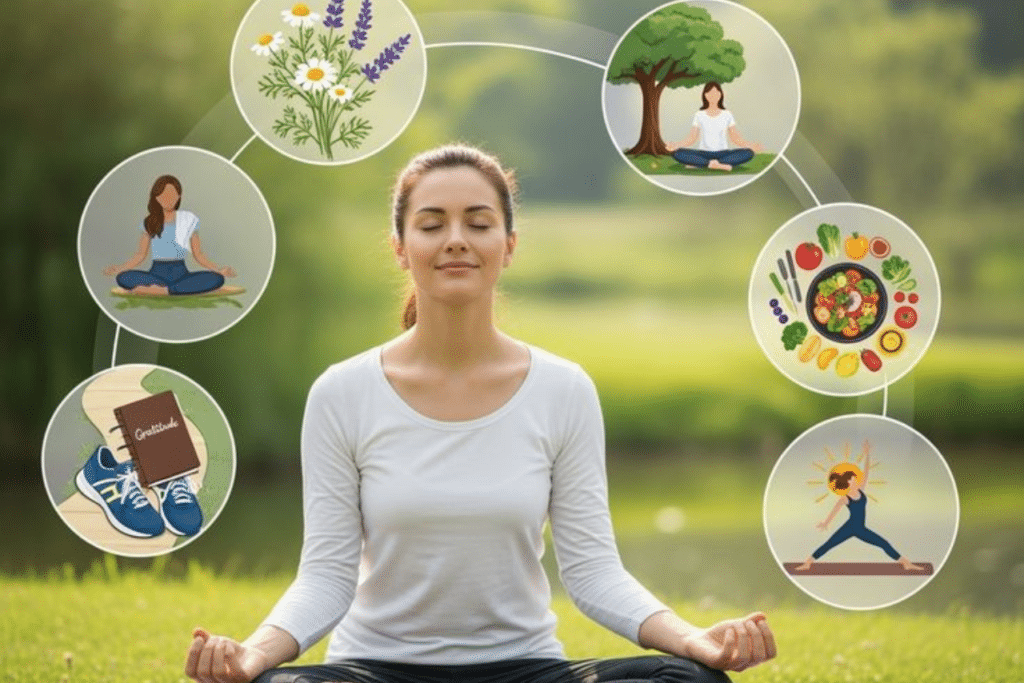
To promote life-long health, find healthy strategies for coping with stress:
• Meditation
• Deep breathing
• Exercise
• Spending time in nature
• Listening to music
• Practicing gratitude
We can also exercise the emotional balance route-leave some work for a short period of time and reduce screen time.
The Connection Between Sleep and Health
Sleep well — Quality overnight sleep is integral to recovery and wellbeing. Lack of sleep may suppress immunity, increase stress and decrease concentration.
Most adults require between 7–9 hours of sleep a night. To improve sleep quality:
• Maintain a consistent sleep schedule
• Avoid caffeine late at night
• Reduce phone usage before bed
• Have a cool and dark bedroom for sleep
Quality slumber sustains physical and mental well-being. And it also lets your body repair itself naturally.
Healthy Habits for Lifelong Wellness
Stay Hydrated Every Day
Water is essential for good health. Staying well-hydrated can help your digestion, skin health, circulation and energy levels.
One of the most common mistake that a person do is underestimating or ignoring the message of consuming sufficient amount of water. Fluid retention can lead to tiredness, headaches and a lack of concentration.
Simple hydration tips include:
• Carry a reusable water bottle
• Drink water before meals
• Consume water-fortified meals like watermelon and cucumber
For one, the less people drink sugary beverages the less they will consume extra calories.
Build Consistent Daily Routines
Good habits make it easier to stay well. Most of what you are trained on is easily digestible by this mind of ours.
Some examples of healthy daily habits include:
• Morning stretching
• Regular meal times
• Walking after dinner
• Limiting junk food
• Practicing mindfulness
Even more, is faring regularly than intensely. Once you get into a rhythm with the sustainable habits of life, they stick.
Preventive Healthcare Matters
Regular Health Checkups
At first, preventive care allows our health problems to be prevented in the early ages. Scheduled health examinations can uncover risk components ahead of time before they become serious issues.
Important screenings may include:
• Blood pressure checks
• Cholesterol testing
• Blood sugar monitoring
• Dental exams
• Eye examinations
Generally, for better treatment outcomes and reduced future healthcare costs, earlier identification is preferable.
Vaccinations and Immunity Support
Vaccines protect against many preventable diseases. A robust immune system also fosters continual health.
To improve immunity naturally:
• Eat nutrient-rich foods
• Exercise regularly
• Sleep well
• Reduce stress
• Avoid smoking and excessive alcohol
Combined healthy lifestyle habits work to strengthen the defence system of the body.
Technology and Modern Health Trends
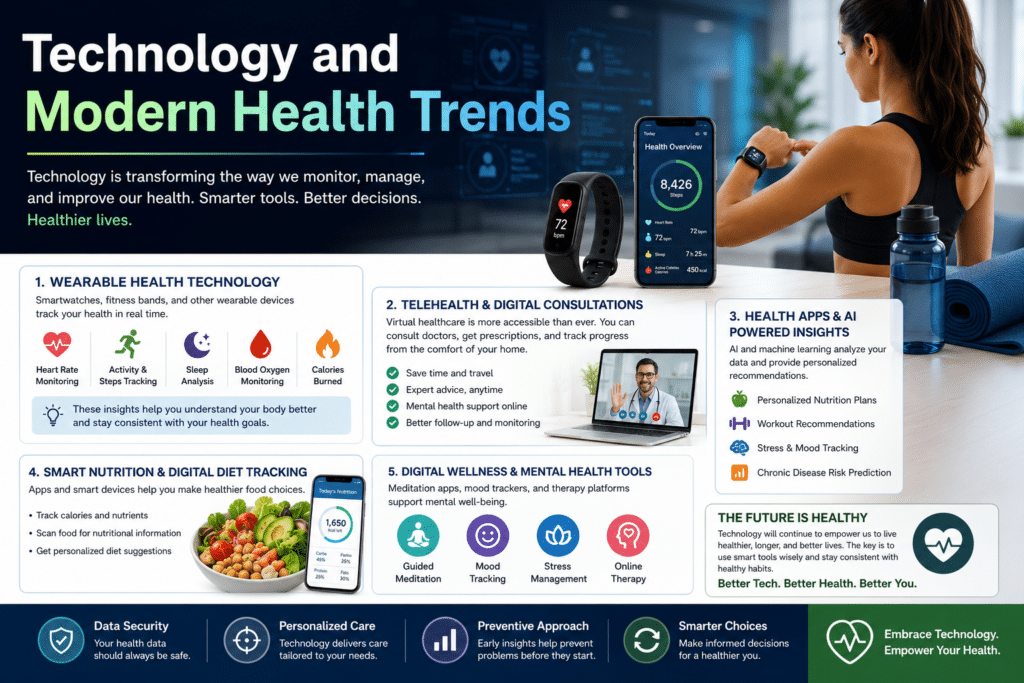
Wearable Fitness Technology
The way health is managed has changed due to modern technology. This means wearables such as smartwatches and fitness trackers can track:
• Heart rate
• Daily steps
• Sleep quality
• Calories burned
Such tools can help gauge motivation levels by tracking progress more accurately.
Technology is not a substitute for real-world habits and fitness; it should supplement healthy living, rather than replace it.
Digital Wellness and Screen Balance
Technology is convenient, however screen time can deteriorate physical and mental health.
Excessive screen use may cause:
• Eye strain
• Poor posture
• Sleep disruption
• Increased stress
Scheduling daily screen-free time helps support healthier connections, more sleep quality, and better attention.
The Role of Social Connections in Health
Good relationships are vital to emotional and mental health. Having social support can lower stress levels and increase happiness.
Healthy social habits include:
• Spending time with family
• Talking openly with friends
• Joining community activities
• Supporting others emotionally
Overall health is affected by isolation and loneliness. Positive relationships are a purpose, and they have a strong sense of belonging.
Conclusion: Health for Life
Health for life means forming habits that are sustainable, which will help your body and mind every day. If wellness were simply fitness trends and diets, I would be interested in it but ultimately, there is no article here. This includes balanced nutrition, regular exercise, adequate sleep and rest, good stress management practices and preventive health care as well as healthy relationships.
You do not need to change all of these things at once. Incremental changes done consistently over time can have a huge and positive impact on your long term health. Be progress not perfection, start to build routines that works in your Health for Life.
Lifelong wellness will come to the forefront like never before in 2026. You practice your physical, mental and emotional health so today you can put yourself in a position to live happier and healthier well into old age for every you love too.
FAQs About Health for Life
1.What is the meaning of health for life?
Health for life means lasting physical, mental and emotional well-being through healthy lifestyles.
2. How can I start living a healthier lifestyle?
You can improve your body starting with minor adjustments such as balanced meals, regular play, increasing fluids, and sound sleeping.
3. Why is mental health important for lifelong wellness?
Mental health influences stress, mood, relationships, work productivity and overall quality of life.
4. How much exercise is recommended for good health?
Most experts recommend 30 minutes or more of moderate physical activity most days a week.
5. What are the best daily habits for better health?
Best habits include drinking enough water, sleeping well, doing regular exercise, eating balanced food and managing stress.