Meta Description: Learn about how to take good care of your gums through this best way of finding tips related to gingivitis self-care to have a better smile. Get advice and tips on how to act like an expert and a novice.
Gingivitis Self-Care: Effective Tips for Healthier Gums and a Brighter Smile
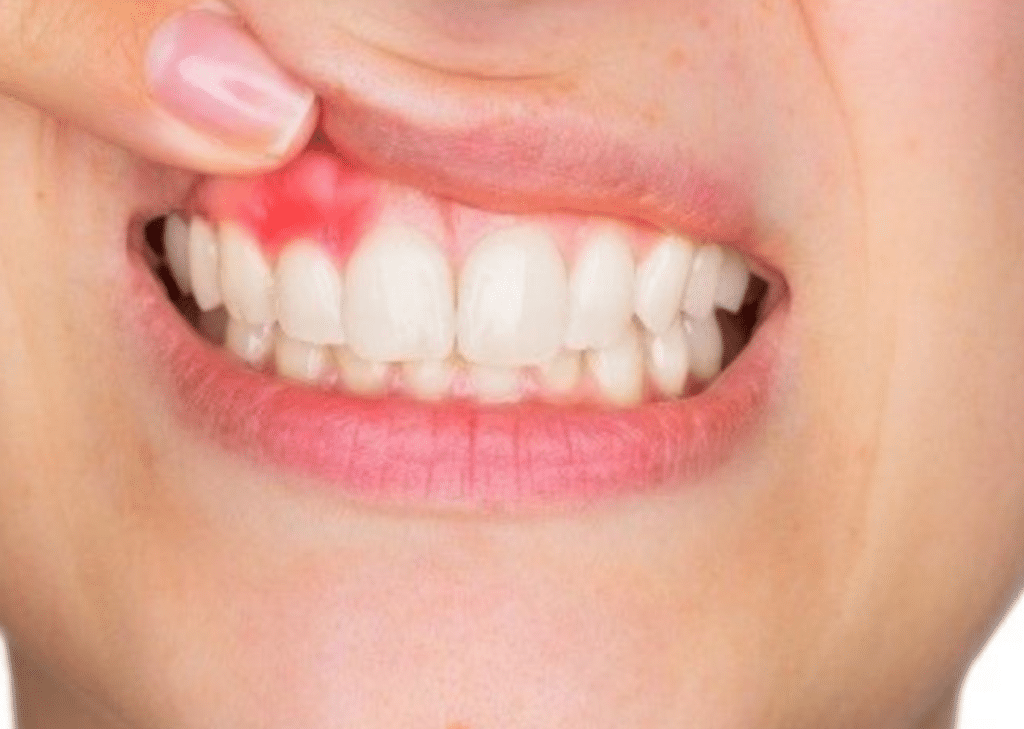
Gingivitis is a widespread and yet treatable form of gum disease and may result in severe consequences of oral diseases when ignored. You may be new to the concept or need to know more about it, but self-care when it comes to preventing further complications of Gingivitis Self-Care is important to ensure your gums are healthy and have a good level of understanding. In this paper, we will discuss viable and evidence-based self-management approaches of Gingivitis Self-Care which can enable you to maintain the health of your gums, control the symptoms and prevent tissue loss in the long run.
Gingivitis is an illness which afflicts millions of people throughout the planet, but what most people are unaware of is that they might be having it before it is too late. The positive thing is, in most cases, you can revert gingivitis and restore the health of your mouth in case of proper Gingivitis Self-Care. You are ready to become the master of your gums? Read on to get the necessary tips that will enable you to keep a healthy smile many years to come.
What is Gingivitis?
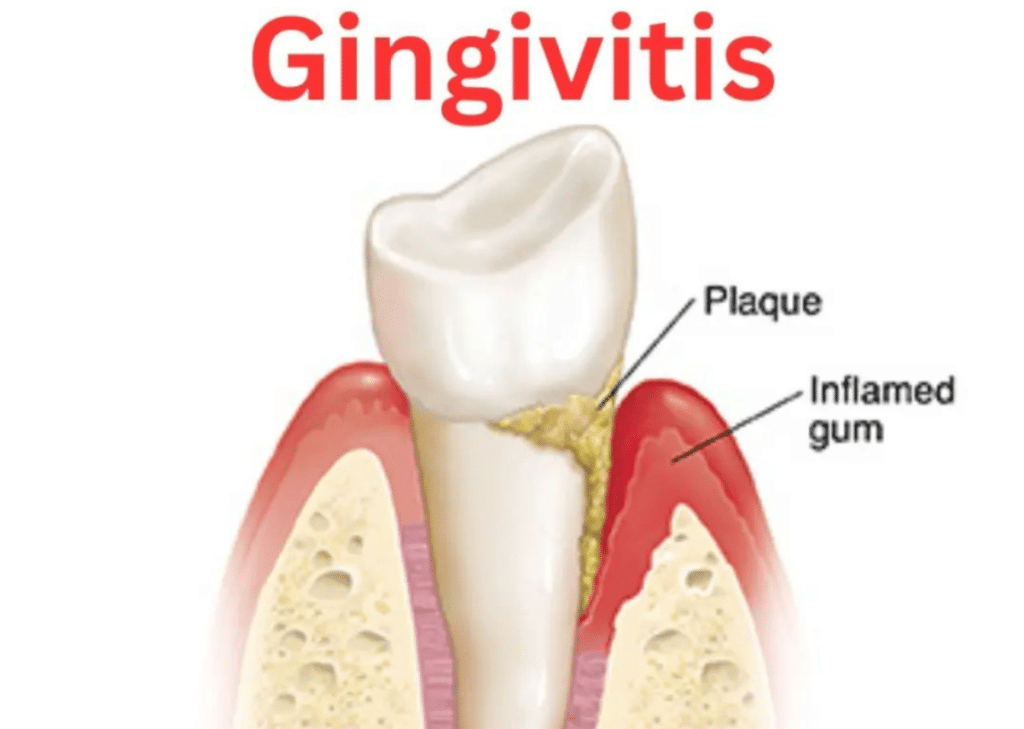
The first level of the gum disease is called gingivitis which involves the inflammation of the gums. It is usually caused by the plaque that is a sticky film of bacteria settling on your teeth and the gums. Otherwise, plaque may cause irritation of the gum tissue, which will be reddened, swelled, or even bleeding.
Although gingivitis is quite widespread, it can be prevented and reversed in case of proper self-care measures. Unattended gingivitis may result in additional diseases such as periodontitis that may destroy the bones of teeth. Now it is time to enter the world of efficient self-management of gingivitis to overcome this disorder and recover your gums.
Why Gingivitis Self-Care is Crucial
The Gingivitis Self-Care can proceed to periodontitis that leads to loss of teeth among other pathetic outcomes in the event that it is not treated. Fortunately, in case of self-care, inflammation can be reduced, healing can be induced, and additional flare-ups could be avoided. Frequence of the oral hygiene practice contributes significantly to tackle gingivitis as well as the overall health of the gums.
Gingivitis Self-Care does not just imply brushing of teeth. It requires an extensive intervention that includes flossing using mouthwash and frequent visits to the dentist. The end results are imperative and they include regularity in which your gums require time to heal and get strong.
Top Gingivitis Self-Care Tips
1. Brush Your Teeth Properly
One of the most effective and easy ways of preventing and treating gingivitis is brushing your teeth at least three times a day. Nevertheless, one should apply the right method. Here are some tips:
• Soft-bristled toothbrush should be used to prevent harmfulness of sensitive gums.
Brushing Not less than two minutes, brushing every tooth surface.
• Apply fluoride toothpaste to aid in the removal of plaque and the enamel protection.
• Also be sure not to leave out brushing your tongue because bacteria can develop there.
You can brush vigorously and properly and this way you take away the plaque before it builds up and damages your gums.
2. Floss Daily
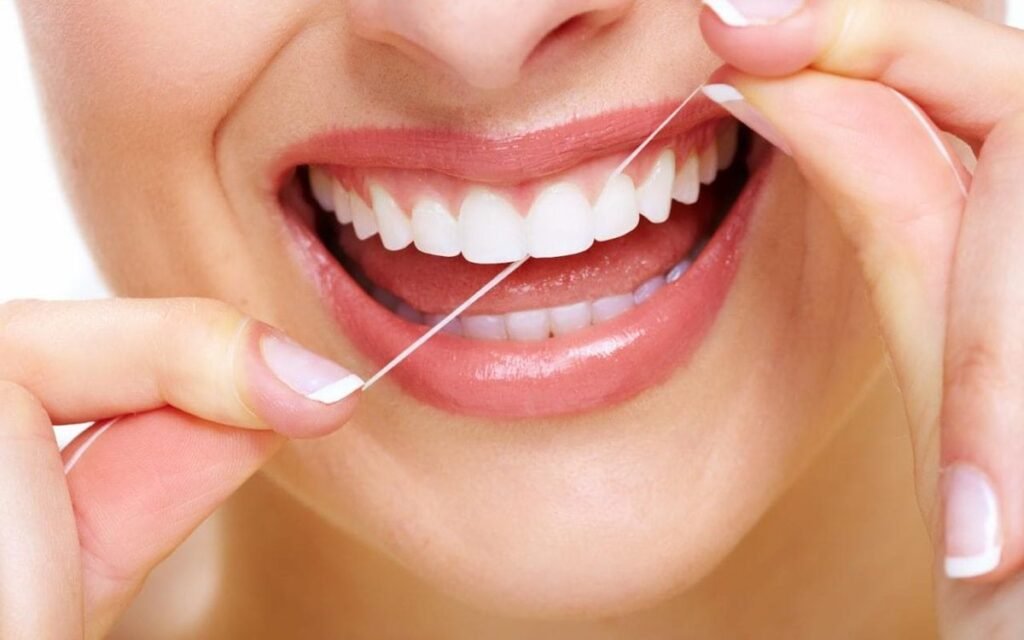
Flossing cannot be called any less important than brushing, since it can remove food particles and plaque between your teeth which cannot be reached by a toothbrush.
• The first step is to slide the floss softly between your teeth and curve it around each tooth cleaning the gum line.
• Do not floss your teeth so as to break your gums.
• Change a new floss with every space to avoid bacteria transfer.
Flossing gets rid of the secret plaque and bacteria, which then keeps the gums healthier and also reduces inflammation.
3. Use an Antiseptic Mouthwash
Mouthwash is also a good supplement to your self-care regime of gingivitis. It assists in the immediate removal of bacteria and may give an additional benefit in the accumulation of plaque. Find out mouthwashes that include antiseptic agents such as chlorhexidine or essential oils.
• Select alcoholic-free mouthwashes, which is likely to dry your mouth and inflame the gums.
• Brush and floss and swish about 30 seconds to one minute.
Mouthwash is an additional protection barrier, and it allows preventing gingivitis and maintaining the freshness of breath.
4. Schedule Regular Dental Visits
Even in case of perfect self-care, it is necessary to visit the dentist regularly. Dentists are able to detect the early symptoms of Gingivitis Self-Care at earlier stages before it gets worse and they also are able to remove the hardened plaque that has formed in the form of tartar.
• See your dentist after every six months to be taken care of and your teeth checked.
• In case, you have signs of gingivitis, e.g. bleeding gums, or tenderness, make an appointment sooner.
Professional cleanings help to keep the gums in their best conditions and gingivitis does not develop.
Lifestyle Tips to Prevent Gingivitis
In addition to cleaning your teeth every day, you can use your lifestyle as a way to avoid gingivitis. These are some habits that you can consider in order to maintain your gums in good condition:
1. Eat a Balanced Diet
Well balanced diet particularly high in vitamins and minerals such as vitamin C can be used to help maintain the health of the gums. Vitamin C aids in the repairing of gum tissue and prevents infection, which is essential in preventing gingivitis.
• Eat fruits, vegetables, whole grains, and low fat proteins.
• Do not eat sugary foods which foster the accumulation of plaque.
2. Quit Smoking
A significant risk factor of gum disease in which case is gingivitis is smoking. It also undermines your immune system, and thus your gums find it more difficult to combat infection.
• You should also quit smoking and the risk of getting gum disease can be significantly lowered.
3. Stay Hydrated
Consuming water will ensure that your mouth is moist and will remove bacteria and food particles.
• Take at least eight glasses of water each day.
• Drink water after eating to aid in clearing the food that remains and clearing the plaque.
Gingivitis vs. Periodontitis: Know the Difference
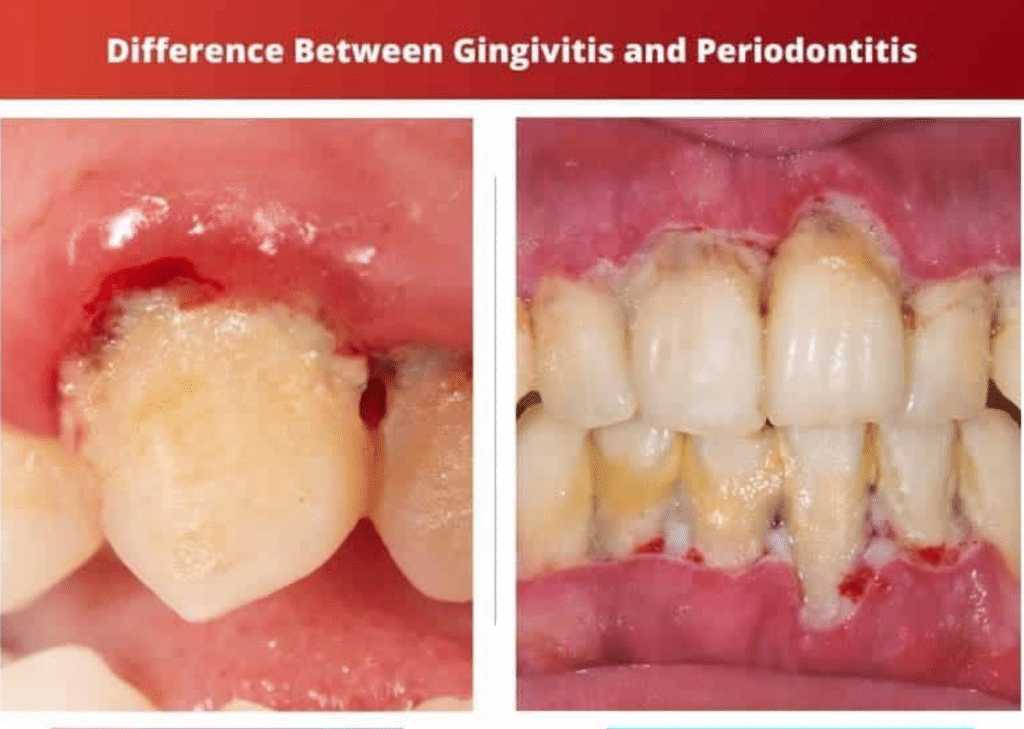
It is important to learn the distinction between periodontitis and gingivitis in order to take care of your teeth. Gingivitis Self-Care is a reversible stage of the gum disease that is easily resolved through good self-care, whereas periodontitis is a more severe form of the disease that can only be dealt with by a professional.
Symptoms of Gingivitis:
• Red, swollen gums
• Gums bleed during brushing/flossing.
• Bad breath
• Tenderness in the gums
Symptoms of Periodontitis:
• Receding gums
• Loose teeth
• Persistent bad breath
• Pus around teeth and gums
In case you observe the symptoms of periodontitis, you must immediately visit a dentist so as to get a professional care.
Conclusion: Gingivitis Self-Care
Gingivitis can be usual though it is completely avoidable and can be reversed through the proper self-care measures. Through a regular brushing, flossing, and mouthwash practice, and a regular visit to a dentist, one can control and even prevent gingivitis. A healthy diet, hydration, and lifestyle change are how you will supplement these habits to maintain your gums in the best condition.
(FAQs) Gingivitis Self-Care
1. What is the duration of reversal of gingivitis?
Gingivitis may normally be reversed in 2-3 weeks with appropriate self-care. Regularity is important and therefore you should ensure that you adhere to your oral hygiene schedule.
2. Is it possible to cure gingivitis by itself?
Good oral hygiene can help in the improvement of Gingivitis Self-Care, though this condition will not disappear without active treatment. There must be regular brushing, flossing and professional cleanings.
3. Does it require the use of mouthwash in gingivitis?
Although it is not crucial, mouthwash may aid in the destruction of bacteria and supplementary protection. It is advised as a supplement to a complete self-care of gingivitis.
4. Would a good diet prevent gingivitis?
Yes, a nutritious diet may help keep your gums healthy. Vitamin C-rich and low sugar content foods are useful in prevention of Gingivitis Self-Care and other gum related diseases.
5. Can stress cause gingivitis?
Yes, stress may undermine the strength of your immune system, and cause your body to struggle to attack the infection such as gingivitis. Stress management is relevant to the general health and health of the gums.