
Introduction
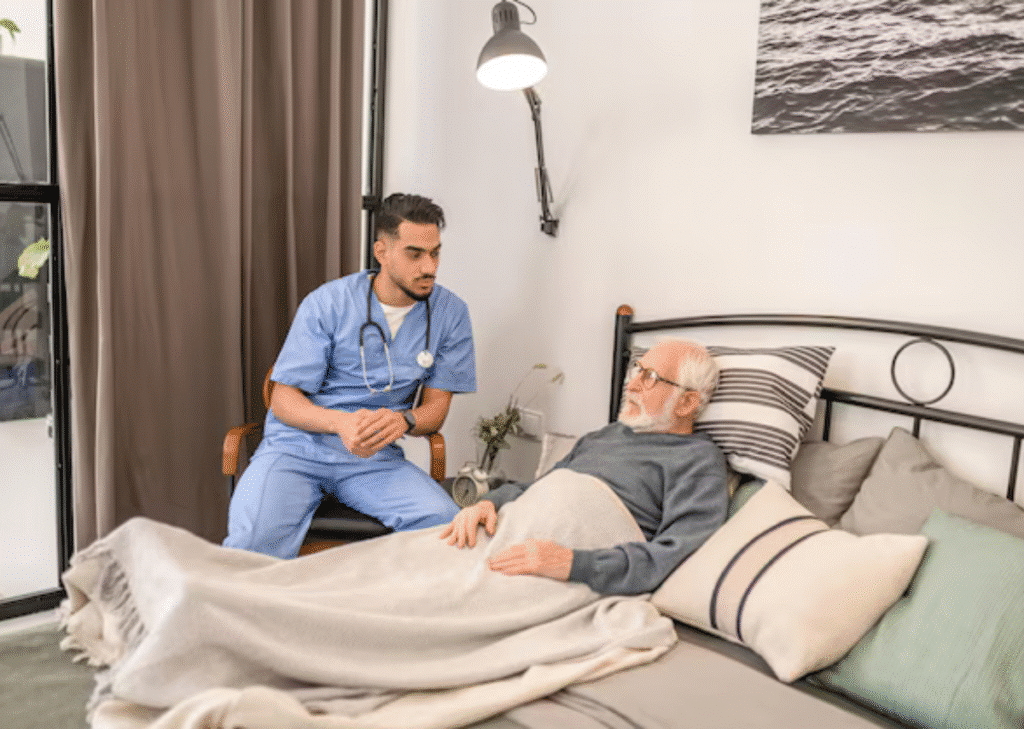
Good quality of life is the priority of the individuals who are very sick or have a life limiting condition. It is here that the home palliative care comes into the limelight. Palliative care does not aim at curing the disease but improving the overall well-being of the patient by relieving the symptoms, pain, and meeting the emotional, social, and spiritual needs.
It will enable patients to live a better life, decrease hospitalization and get a more individual approach to treatment by providing this specialized care in the comfort of the house. Palliative care at home unlike traditional hospital care affords the patient to stay with loved ones, have a feeling of independence and be in an environment that he knows well and at the same time enjoy the expert medical attention.
This paper will discuss the numerous ways in which home-based palliative care can enhance the quality of life of patients as well as their families, providing information about the advantages of this approach and the ways of its successful implementation.
What is Palliative Care at Home?
The Definition of Palliative Care
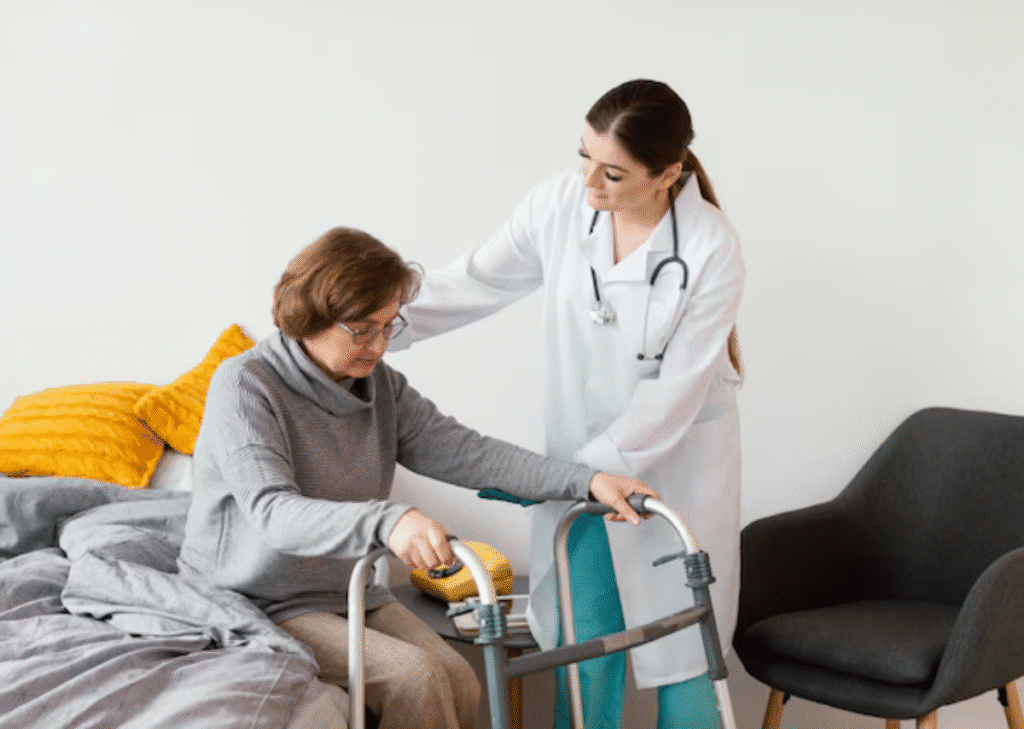
Palliative care is a medical care that aims at alleviating symptoms and pain under serious or terminal illnesses. It aims at comforting and not curing the disease thus being a vital component of the holistic care of chronic patients.
What is the difference between Palliative Care at Home?
Whereas the traditional palliative care is normally provided at the hospital or a special care institution, the home palliative care enables the patient to access the same quality of care in the comfort of his or her home
. This may involve frequent visits by medical practitioners like doctors, nurses and other experts who will take care of the symptoms and offer emotional help.
Who Will Be a Beneficiary of Palliative Care at Home?
Patients who are seriously, and whose conditions are life-limiting like cancer, heart diseases, chronic obstructive pulmonary disease (COPD), kidney failure, or dementia are the best choice when giving palliative care at home.
This kind of care is not restricted to end-of-life conditions, but it can be administered at any point in the life of an individual. It is also particularly helpful to individuals who do not want to spend much time in hospitals or prefer to be at home.
How Palliative Care at Home Improves Quality of Life

Relief from Pain and Discomfort
Effective pain management is one of the most significant palliative care at home to enhance quality of life. Palliative care specialists collaborate closely with patients to come up with a personalized pain management strategy that will be comfortable to the patient. Through pain management, nausea, dyspnea, and other unpleasant symptoms, patients will have the chance to get less uncomfortable and more content in general. (source)
Moral and Psychological Support.
Chronic illness may play with the mental health causing one to feel anxious, depressed, or isolated. Home-based palliative care acknowledges the need to have emotional well-being and, therefore, provides counseling, therapy, and support to the patients to enable them to manage the psychological impacts of their illness. Emotional health is also improved by the presence of the family members in a familiar environment.
Personalization of Care
The care in a hospital is usually the same, whereas in the home environment, the treatment can be more personalized in the case of palliative care. The care team designs the plan to the needs, preferences and the goals of the patient.
Home care teams offer personal attention that is not always present in hospitals whether it be modifying medication, researching other types of therapy, or offering spiritual support. This is a strategy that enhances quality of life besides empowering the patient and family to make informed choices with regard to care.
Remaining in the Circle of the Familiar.
Home stay has a great influence on the well-being of the patient. It enables them to have a feeling of being independent and in control; this may be empowering. Also, the presence of loved ones and familiar objects may provide comfort, less stress, and an overall attitude of the patient. This is especially pertinent in cases of patients that are grappling with the emotional ordeal of terminal illness.
Major Benefits of Palliative Care at Home
Fewer Hospital Admissions
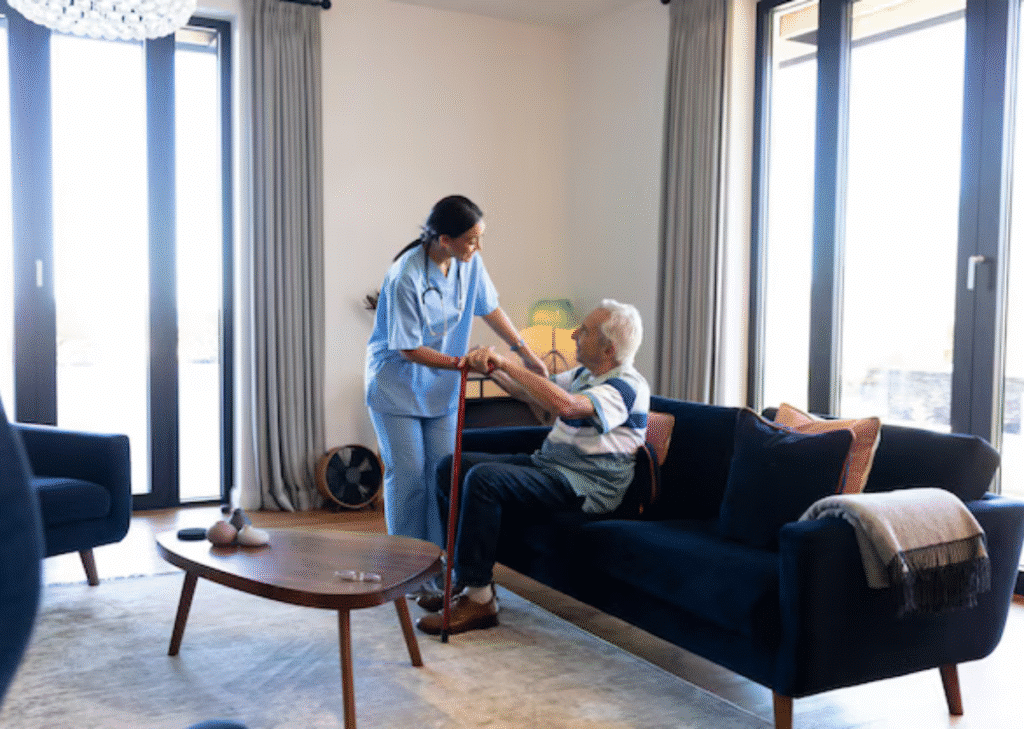
The benefit of palliative care at home is one of the most important about decreasing hospitalization. When the symptoms are controlled and monitored on a regular basis, the patient does not have to need emergency treatment and constant visits to the hospital.
This helps to relieve the burden of traveling, time spent in the hospital and the chances of infections which gives the patient more time with his family at home.
Better Family Support
Home based palliative care is not only good to the patient, but it also gives the family members a lot of much needed support. Caregivers also get training and education on management of care in the home and this lessens the physical and emotional burden. The home care team also tends to offer respite care, giving caregivers some time to relax and at the same time, their loved one still receives the care that he or she needs.
Patient-satisfaction can be increased.
Studies always indicate that patients under home based palliative care are more satisfied with their care. This can usually be explained by the fact that the care plan is personalized, that one has the opportunity to stay in a setting that they are familiar with and that one is always surrounded by emotional and psychological support by the care team.
How to Access Palliative Care at Home
Discuss with Your Healthcare Provider
The initial action towards receiving palliative care at home is to discuss it with your primary care doctor or specialist. They are able to assist in deciding whether a home-based palliative care is the correct choice and offering a referral to a local service provider.
Contact Palliative Care Providers.
Most organizations and services that specialize in palliative care at home are numerous. You should also research the local opportunities, look into their qualifications, and learn what is offered in your vicinity. Others could provide 24/7 service, others could be on a schedule basis.
Create a Care Plan
After choosing a palliative care team, it will develop a personal care plan with you to help meet the health needs and goals of the patient. The care crew will be involved in reviewing medications, symptom relief, emotional support of the patient, and family.
Frequently Asked Questions (FAQs)
Q1. So, what is home palliative care?
A1. Home based palliative care refers to home based care of people with severe illnesses. These aim at symptom management, pain relief, and enhancement of quality of life with provision of emotional, psychological, and spiritual support.
Q2. Is it possible to deliver palliative care at home regardless of the illness?
A2. Indeed, home based palliative care can be helpful in patients who have chronic illnesses, such as cancer, heart disease, kidney failure, COPD, and dementia. It can be used at any phase of illness and not only at its end of life.
Q3. What is the amount of improvement in quality of life of a patient through palliative care at home?
A3. It enhances the quality of life by treating such symptoms as pain, nausea, and shortness of breath, emotional support, decreased hospitalization, and the stay of patients in a environment they know and feel at home.
Q4. Palliative care at home versus hospice care?
A4. Although hospice care is a form of palliative care that aims at providing end-of-life resources, palliative care at home may be offered at any point of a severe condition and may be administered as an addition to the curative interventions.
Q5. Who are the beneficiaries of palliative care at home?
A5. Palliative care can be provided at home to people with chronic or severe conditions, including cancer, heart disease, or dementia. It is particularly useful to the people who would not rather stay at home instead of staying in a hospital.
Q6. What can I do to organize palliative care at home?
A6. Need to organize the palliative care at home? Discuss it with your healthcare provider. They are able to offer a referral to a home-based palliative care service, which will develop a care plan that will be specific to your needs.
Q7. Which services are offered to palliative care at home?
A7. Some of these services are pain and symptom management, emotional support, nursing care, personal care assistance, spiritual support, caregiver support and coordination with other healthcare providers.
Conclusion:
Home based palliative care is a good experience that provides the patient with a possibility to improve their life in the event of a severe illness. It offers a comprehensive treatment method enabling patients to stay at the comfort of their homes by addressing the individual needs and desires of the patients through symptom control, emotional and psychological comfort, and personalization of care.
It is also a method of reducing the number of visits to the hospital, providing support to the family, and making the patient the priority. Palliative care at home can be very beneficial should you or an individual loved one be experience with life limiting illness and this will enable the individual to live better during difficult moments.